English
 中文简体
中文简体
News
Home > Author > Chen Xiaotong — Key Account Sales Manager > Double Wall Refillable Plastic Cream Jar for Responsible Skincare Packaging

 2026.06.02
 Chen Xiaotong — Key Account Sales Manager
Content
In the modern skincare market, packaging is no longer only a container for a formula. It is part of the product experience, part of the brand promise, and part of the environmental responsibility expected by consumers. A double wall refillable plastic cream jar answers these needs by combining attractive appearance, practical protection, user convenience, and a more sustainable refill system. Designed for day creams, night creams, moisturizers, facial balms, masks, and other premium skincare formulas, this refillable cream jar offers a strong alternative to traditional single-use cosmetic packaging.
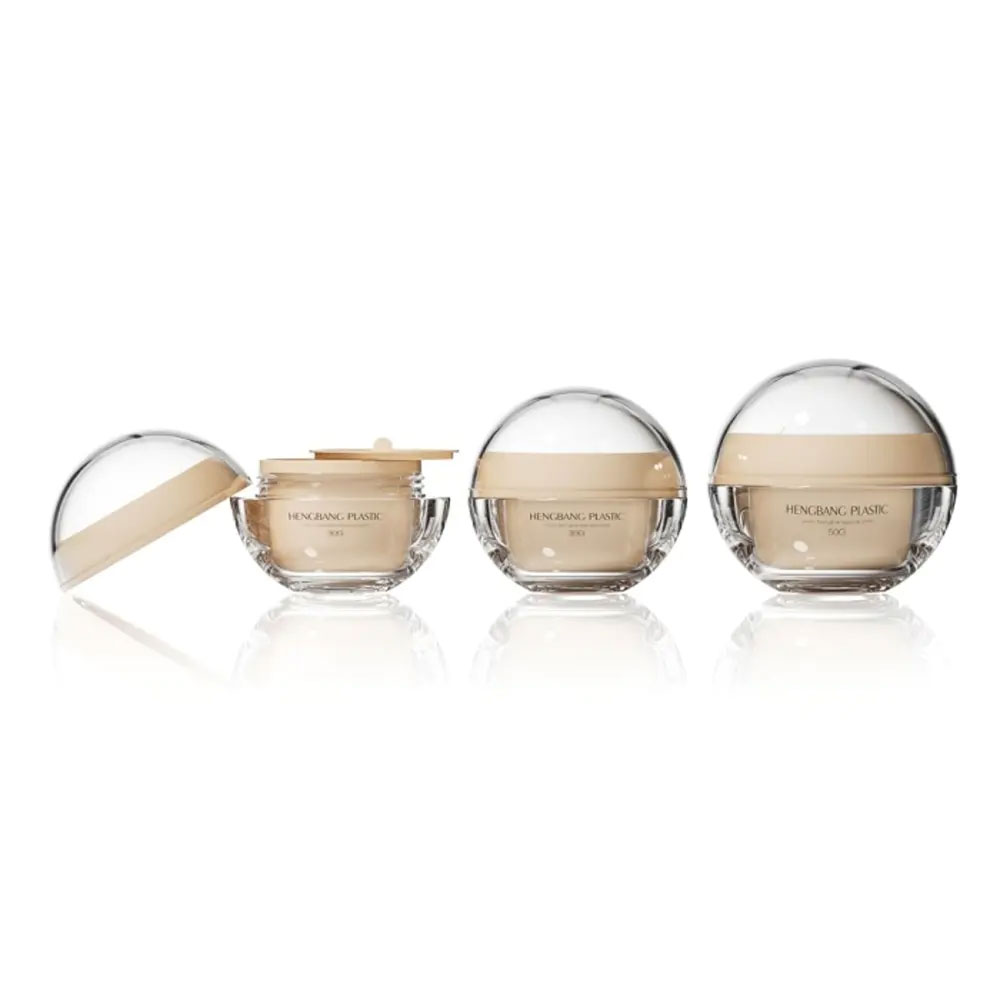
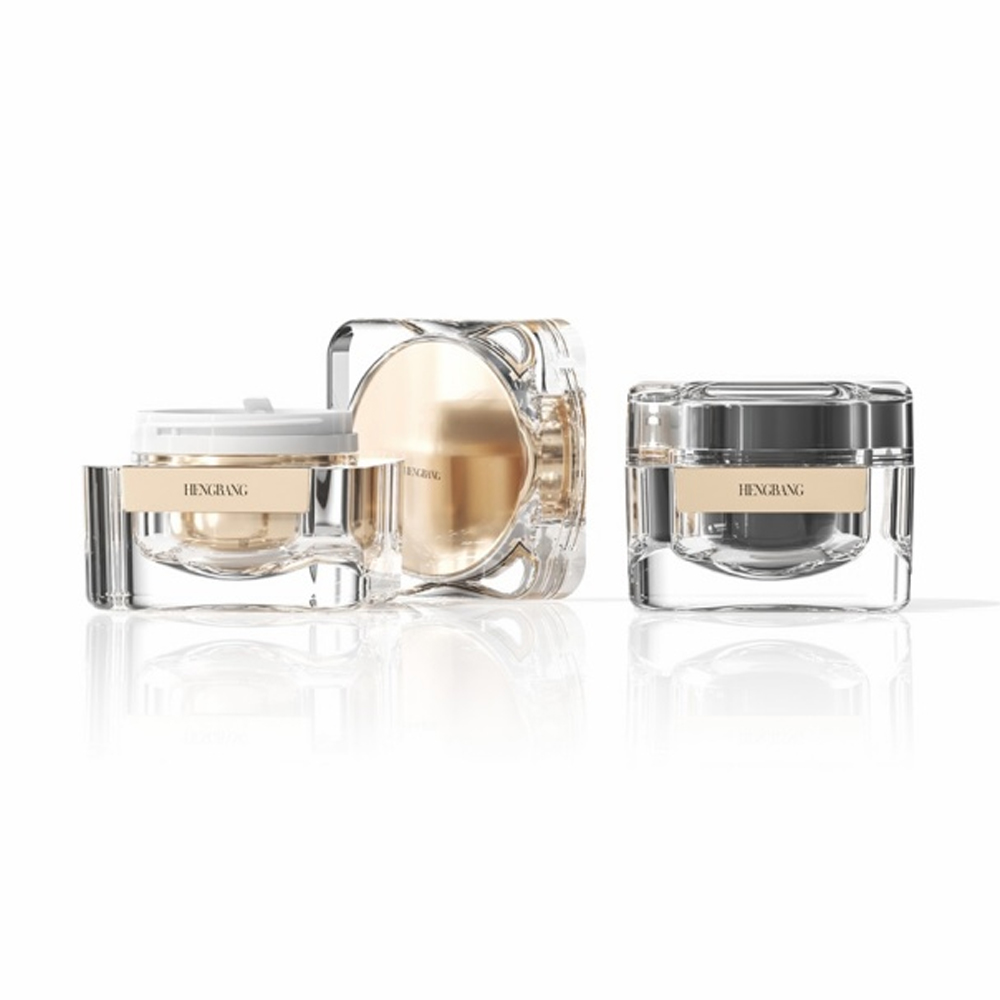
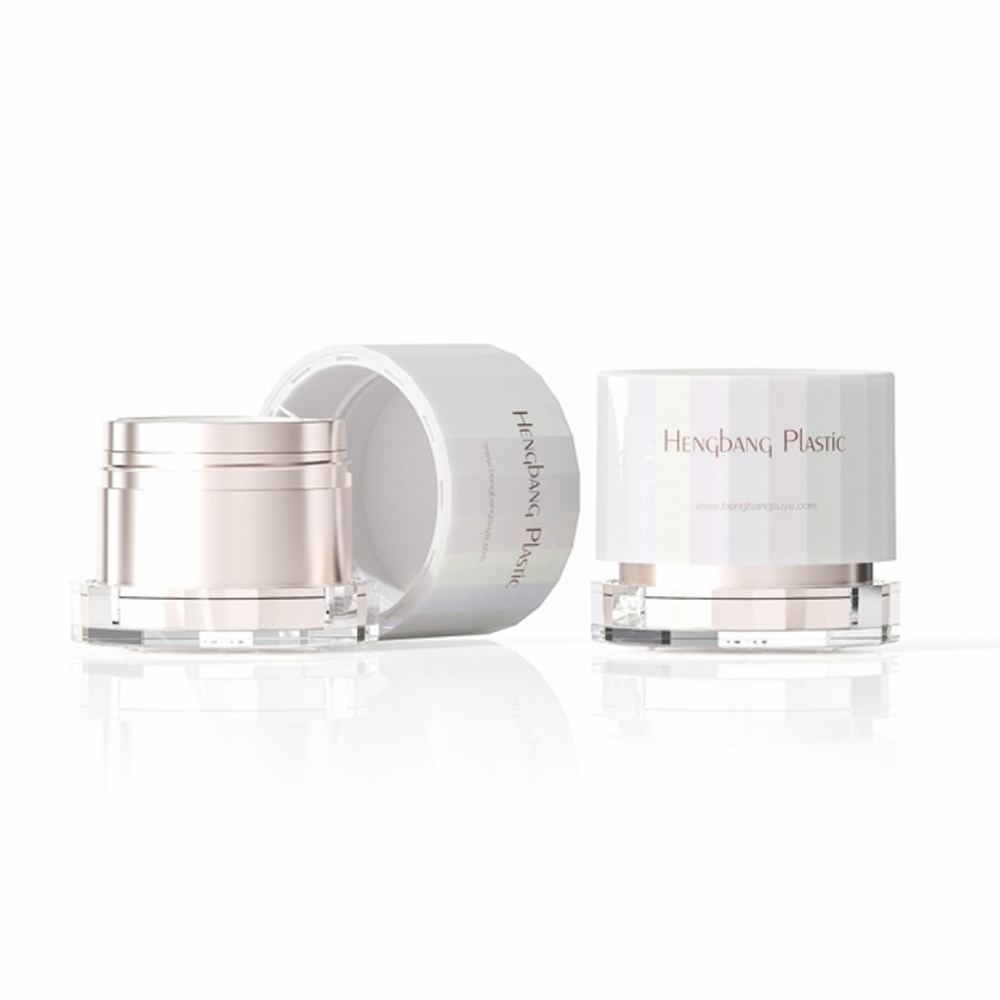
HB-G021 Double Wall Plastic Refillable Cream Jar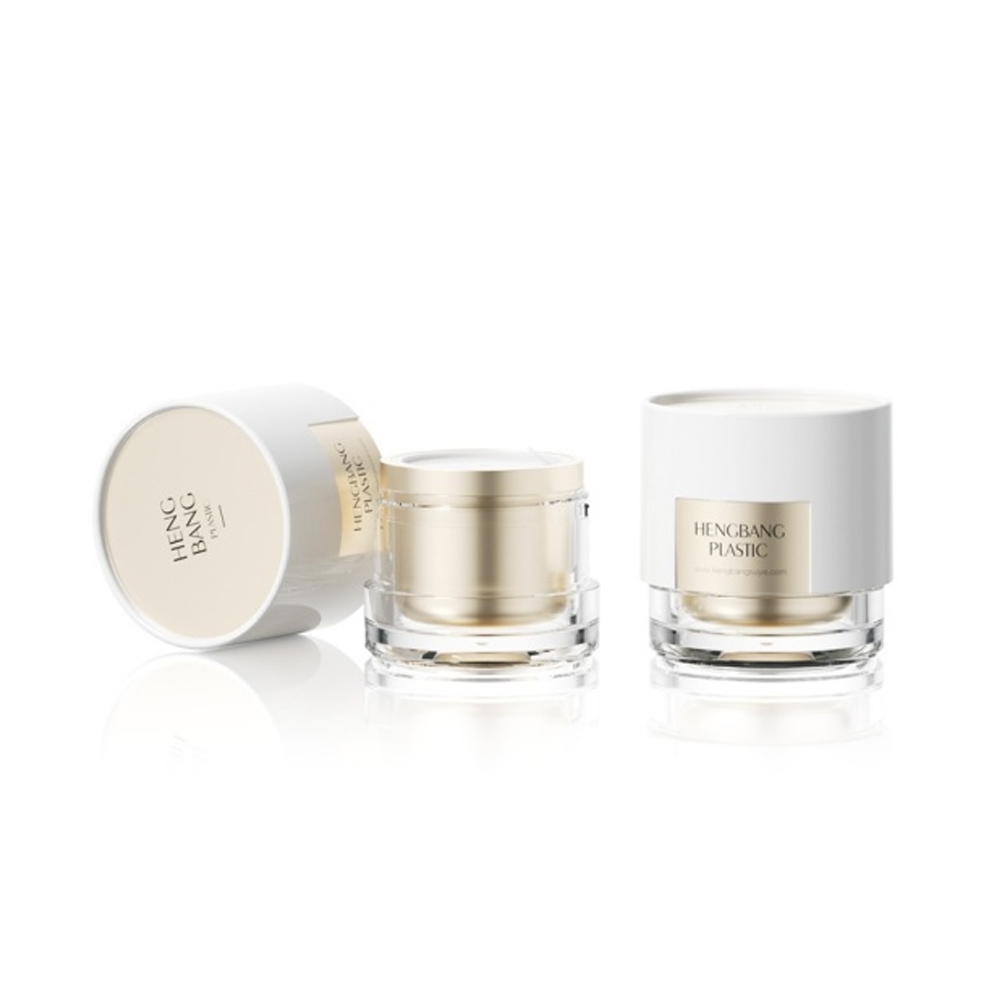
The product is a luxurious plastic refillable cream jar with a double wall structure and a removable inner bottle. Its refill system helps reduce plastic waste because consumers can keep the outer jar and replace only the inner refill component when the formula is finished. This approach supports a circular packaging concept while preserving the high-end look and feel that beauty brands require. For cosmetic brands seeking practical, elegant, and responsible packaging, the double wall refillable plastic cream jar provides a meaningful balance between market appeal and environmental value.
This article explores the structure, materials, performance advantages, user experience, customization potential, manufacturing strengths, quality control standards, and commercial value of the refillable plastic cream jar. It also explains why this type of packaging can outperform many conventional cream jars in sustainability, functionality, and brand differentiation.
The double wall refillable plastic cream jar is designed for skincare brands that want packaging with a premium appearance and a practical refillable format. It includes a cap, an outer bottle, and an inner bottle. The cap uses ABS and PP materials, the outer bottle uses MS and ABS, and the inner bottle uses PP. These material choices support durability, visual clarity, structural stability, and formula compatibility.
The jar is available in 30 ml and 50 ml capacities, two of the most popular sizes for facial creams and moisturizing products. Both sizes use a compact structure with a height of approximately 67 mm and a diameter of approximately 66.5 mm. The jar is designed to sit comfortably in the hand, fit neatly on vanity tables, and present a premium shelf image in retail environments.
The refillable structure is one of the most important features of this jar. Instead of discarding the entire package after use, the consumer can replace the inner bottle. This creates a more responsible consumption model, reduces unnecessary plastic use, and allows beauty brands to offer refill programs that encourage repeat purchases. The system is intended to be clean, straightforward, and convenient, helping consumers adopt refillable skincare packaging without complicated steps.
For skincare products, packaging must protect the formula while remaining attractive and easy to use. Creams and moisturizers are often sensitive to contamination, evaporation, and user handling. A well-designed jar must provide reliable closure, comfortable access, and sufficient structural strength during filling, transportation, retail display, and daily use. The double wall refillable plastic cream jar addresses these expectations through its layered construction and carefully selected materials.
| Item | Specification | Benefit |
|---|---|---|
| Product Type | Double wall refillable plastic cream jar | Combines premium appearance with reusable outer packaging |
| Main Applications | Day cream, night cream, moisturizer, skincare balm, facial mask | Suitable for common skincare formulas and premium cosmetic lines |
| Cap Material | ABS and PP | Provides strength, smooth finish, and practical closure performance |
| Outer Bottle Material | MS and ABS | Supports a luxurious appearance, durability, and dimensional stability |
| Inner Bottle Material | PP | Offers practical compatibility for refill use and lightweight performance |
| Capacity Options | 30 ml and 50 ml | Meets common market demands for facial skincare packaging |
| Height | Approximately 67 mm | Compact, balanced, and easy to handle |
| Diameter | Approximately 66.5 mm | Stable standing base and comfortable hand feel |
| Refill System | Replaceable inner bottle | Reduces plastic waste and supports refill programs |
| Market Position | Premium sustainable skincare packaging | Helps brands communicate eco-conscious value and product quality |
The success of cosmetic packaging depends on how well it connects beauty, function, and brand identity. A cream jar must look refined, feel reliable, and support a satisfying user ritual. At the same time, it must meet practical requirements such as ease of filling, secure sealing, transport strength, and consistent quality. The double wall refillable plastic cream jar is built around these combined priorities.
The double wall design provides a sense of depth and substance. Compared with thin single-wall jars, a double wall jar usually appears more luxurious and more stable. The additional visual weight gives consumers the impression of a premium skincare product, which is especially important for formulas positioned as anti-aging creams, moisturizing creams, overnight repair products, or high-value skincare treatments.
The refillable design also reflects a more advanced packaging philosophy. In conventional beauty consumption, the full jar is often thrown away once the product is used. This creates repeated material waste, especially when the outer jar remains structurally sound and visually attractive. By separating the decorative outer package from the replaceable inner bottle, the refillable jar allows the outer component to remain in use for a longer period.
This design gives beauty brands a practical way to participate in sustainable packaging without asking consumers to sacrifice elegance. Some eco-friendly packaging solutions look too simple for premium skincare markets, while some luxury jars use excessive material and are difficult to justify environmentally. The double wall refillable plastic cream jar bridges this gap by maintaining a high-end image while reducing repeated consumption of full packaging sets.
The material structure of the jar has been selected to support both performance and appearance. Each component serves a different purpose, and the combined structure creates a balanced package.
The cap is made from ABS and PP. ABS is valued in cosmetic packaging for its strength, dimensional stability, and ability to achieve a clean decorative surface. PP is lightweight, practical, and widely used in packaging components that require dependable performance. Together, these materials help the cap provide a secure and comfortable closure experience.
The outer bottle uses MS and ABS. MS can offer attractive transparency and a refined visual quality, while ABS contributes strength and a premium finish. The outer bottle is the part consumers see most clearly, so its appearance matters greatly. A glossy, smooth, and well-formed outer jar can enhance the perceived value of the skincare formula inside.
The inner bottle is made from PP. PP is commonly used for cosmetic packaging because it is lightweight, practical, and suitable for many personal care applications. As the refill component, the inner bottle should be efficient, functional, and compatible with mass production. Its role is not only to hold the formula but also to make the refill system economical and convenient.
Compared with jars that rely on a single material structure, this multi-component material strategy allows each part to perform its specific job. The outer component can focus on beauty and strength, while the inner component can focus on product contact and refill efficiency. This helps the jar achieve a more complete performance profile than many simple single-wall cream jars.
One of the strongest advantages of the refillable plastic cream jar is its ability to reduce unnecessary packaging waste. In many traditional skincare products, the jar, cap, and decorative components are discarded after one use cycle. Even when the outer jar is still attractive and functional, it becomes waste because it is not designed for refill replacement.
With a refillable system, the consumer can continue using the outer bottle and cap while replacing the inner bottle. This can significantly reduce the total amount of plastic used over repeated purchases. The environmental value becomes more visible as the consumer continues buying refills instead of complete packaging units. For brands, this can support sustainability claims with a clear and practical packaging action.
The refill approach also helps reduce carbon footprint over time. While the exact reduction depends on logistics, material weight, production methods, and refill program design, using fewer full outer packages can lower the material and energy burden associated with repeated packaging production. For companies seeking to improve environmental responsibility, refillable packaging is a realistic and consumer-friendly step.
Modern consumers increasingly evaluate beauty products not only by formula performance but also by packaging responsibility. Many shoppers prefer brands that reduce waste, use recyclable or reusable components, and demonstrate transparent environmental thinking. A refillable jar provides a visible sustainability feature that consumers can understand immediately. The act of replacing an inner refill reinforces the idea that the brand is taking practical steps toward responsible beauty.
Unlike some sustainable packaging concepts that require major behavior changes, this refill system is simple. The consumer still enjoys a jar format, still uses the cream in a familiar way, and still keeps an elegant package on the vanity. The change happens mainly when the product is finished: instead of discarding the entire package, the consumer replaces the inner component. This convenience improves adoption and makes sustainable behavior easier to maintain.
Traditional cream jars remain common because they are easy to fill, easy to display, and familiar to consumers. However, many conventional jars have limitations in sustainability, material efficiency, and brand differentiation. The double wall refillable plastic cream jar addresses these limitations with a more advanced structure.
First, the refillable design reduces repeated use of full packaging sets. Conventional jars usually require consumers to purchase a complete new jar each time. This increases material consumption and can conflict with the environmental expectations of modern beauty buyers. The refillable jar allows the outer packaging to remain in circulation longer, creating a more responsible packaging model.
Second, the double wall structure delivers a more premium appearance than many basic single-wall jars. Single-wall jars can be suitable for mass-market products, but they may lack the visual depth and luxury feel desired by high-end skincare brands. The double wall effect can create a substantial, elegant impression without moving into heavier glass packaging.
Third, plastic refillable jars can be lighter and less fragile than glass jars. Glass offers a premium feel, but it can increase shipping weight and breakage risk. For e-commerce and international distribution, lighter and more impact-resistant packaging can be a major advantage. A plastic double wall jar can offer luxury presentation while remaining practical for logistics.
Fourth, the refill structure supports brand loyalty. When consumers keep the outer jar, they are more likely to return to the same brand for compatible refills. This creates a repeat-purchase system that can strengthen customer retention. A refill program can also encourage subscription models, promotional refill packs, and long-term consumer engagement.
Fifth, the system can offer economic value. Refills are typically more cost-effective than buying a full new jar because less packaging material is involved. This can benefit both the brand and the consumer. The brand can create tiered pricing, and the consumer can feel rewarded for choosing a more sustainable option.
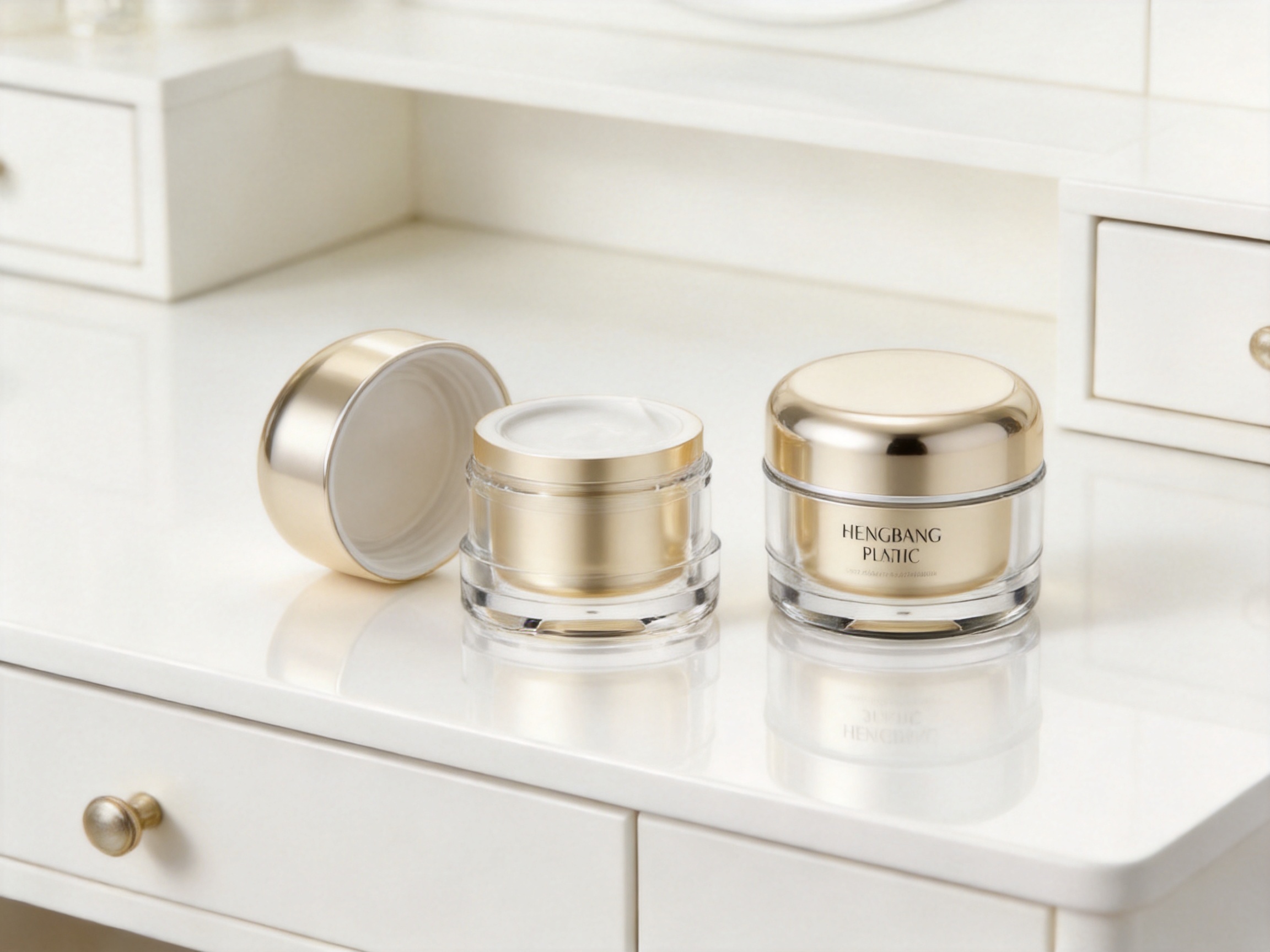
Not all refillable cosmetic packaging offers the same user experience. Some refill systems are difficult to open, messy to replace, or visually less attractive than standard luxury packaging. A successful refillable jar must make the refill process clean and intuitive while preserving premium aesthetics.
The double wall refillable plastic cream jar is designed to make replacement straightforward. The consumer can remove and replace the inner bottle without complicated tools or excessive handling. This matters because any refill system that feels inconvenient may discourage repeat use. Sustainable packaging must be easy enough for everyday consumers, not only for highly committed environmental shoppers.
Compared with pouch-based refill systems, a replaceable inner bottle can feel cleaner and more controlled. Pouch refills may reduce material weight, but they can be messy if consumers must squeeze product into an existing jar. Transferring cream from a pouch can also introduce contamination if not done carefully. A replaceable inner bottle reduces direct handling of the formula and helps maintain a more hygienic experience.
Compared with simple removable cups that lack secure integration, a well-designed inner bottle system can provide better stability and a more complete product feeling. Consumers should not feel that the refill insert is loose or temporary. The refill should feel like part of the original package when assembled. This sense of integrity is essential for premium skincare.
Compared with refillable glass jars, the plastic double wall format can offer better impact resistance and lower transport weight. Glass refill systems may appear luxurious, but they can be less practical for certain distribution channels. In markets where shipping costs, breakage risk, and e-commerce packaging efficiency are important, plastic refillable jars can provide a more balanced solution.
The product also offers flexibility for brands that want to combine luxury and sustainability without making packaging too expensive or too heavy. It gives brands a way to introduce refillable skincare packaging at a commercial scale while keeping the product attractive and practical.
A cosmetic jar is used repeatedly over many days or weeks. The consumer touches the package, opens it, closes it, sees it on the bathroom shelf, and associates it with the quality of the formula. Therefore, user experience is central to packaging value.
The compact 30 ml and 50 ml capacities are suitable for everyday skincare routines. A 30 ml jar can work well for concentrated creams, trial-size premium formulas, eye-area creams with larger usage cycles, or travel-friendly skincare products. A 50 ml jar is a standard and widely recognized size for facial creams and moisturizers. Offering both capacities helps brands build complete product lines with consistent appearance.
The jar’s approximate 66.5 mm diameter gives it a stable base and comfortable proportions. It can stand securely on flat surfaces and is easy to pick up. The approximate 67 mm height creates a balanced profile that looks substantial without being bulky. These dimensions are suitable for retail display, gift packaging, and bathroom storage.
The cap should feel smooth and dependable during opening and closing. A quality cap experience can influence consumer perception more than many brands realize. If the cap feels weak, rough, or poorly fitted, consumers may question the value of the formula. The use of ABS and PP supports a firm and refined closure experience.
The refill process is designed to be clean and direct. A consumer can replace the inner bottle and continue using the outer jar. This reduces waste while keeping the premium outer package in daily use. The easier the process, the more likely consumers are to continue purchasing refills.
The tactile experience also supports premium positioning. Double wall plastic packaging can create a sense of depth and quality while remaining lighter than many glass alternatives. For consumers, this can feel both elegant and practical. For brands, it allows a premium impression without unnecessary shipping burdens.
The refillable cream jar is especially suitable for day creams, night creams, moisturizers, and facial care products. These categories often rely on a jar format because the formulas may be rich, creamy, or balm-like. Consumers are familiar with scooping or applying these products from a jar, and the wide opening can support easy access.
For day creams, the jar can communicate freshness, quality, and daily usability. Day creams are often repurchased regularly, making them a strong candidate for refill programs. Consumers who use a cream every morning can appreciate the convenience and cost benefit of buying refills.
For night creams, the premium double wall design can support a more luxurious positioning. Night creams are often marketed as repair, recovery, renewal, or deep hydration products. A substantial-looking jar can reinforce these premium claims and create a more elevated evening skincare ritual.
For moisturizers, the 50 ml capacity is particularly relevant. Many brands use 50 ml as a standard face cream size, so this jar can fit established market expectations. The 30 ml version can serve as a travel size, starter size, targeted treatment size, or premium compact version.
For facial masks and balms, the jar format can provide convenient access to thicker formulas. The refillable feature can also appeal to consumers who use masks regularly and want to reduce packaging waste. Brands can position refills as part of a routine-based skincare system.
The jar can also support product families. A brand may use the same structural design across multiple formulas, changing colors, decoration, labels, or finishes to distinguish products. This creates visual unity on shelves and helps consumers recognize the brand line quickly.
In a crowded cosmetic market, packaging can be a decisive factor. Many skincare formulas make similar claims, such as hydration, repair, brightening, or anti-aging. Packaging helps a product stand out and tells consumers what kind of brand they are choosing. A refillable double wall jar communicates several messages at once: premium quality, environmental awareness, modern design, and practical value.
For emerging brands, this type of jar can create a high-end impression without requiring extremely heavy or fragile packaging. It can help a new skincare line appear professional and responsible from the first product launch. For established brands, it can support sustainability upgrades and product refreshes without abandoning the familiar cream jar format.
The refillable feature can become a key marketing story. Brands can explain that the outer jar is designed for repeated use, while refills reduce plastic waste and support more responsible consumption. This story is easy for consumers to understand and can be used in product pages, retail displays, social media campaigns, and customer loyalty programs.
Refill packaging also creates opportunities for repeat engagement. A brand can launch refill packs, seasonal refill sets, refill discounts, subscription refills, and loyalty rewards. The packaging becomes part of a longer relationship between the consumer and the brand. Instead of a one-time purchase, the product becomes a system.
Retailers also appreciate packaging that communicates value quickly. A double wall refillable jar can stand out visually on shelves while offering a clear sustainability benefit. In beauty retail environments, where consumers compare many products quickly, visible quality and environmental messaging can influence purchase decisions.
For premium and masstige skincare brands, the product offers a strong balance. It is refined enough for high-value formulas, practical enough for broad distribution, and sustainable enough to align with current market expectations.
The quality of a refillable cosmetic jar depends heavily on manufacturing precision. A refill system requires components that fit properly, assemble smoothly, and maintain consistency across production batches. If dimensions vary too much, the inner bottle may not seat correctly, the cap may not close smoothly, or the outer jar may not present the desired appearance.
Yuyao Hengbang Plastic Co., Ltd. has specialized in plastic packaging for cosmetics and skincare products since 2006. With a building area of 35,000 square meters and more than 300 employees, the company has developed the scale and technical capability required for consistent cosmetic packaging production. Its team provides services including design and development, which are essential for brands seeking customized packaging solutions.
The company’s experience in cosmetic containers, airless bottles, lotion bottles, toner bottles, sunscreen bottles, plastic cream jars, double chamber bottles, and related packaging categories provides a broad technical foundation. This range matters because different cosmetic packages require different engineering considerations, such as pump function, sealing, wall thickness, decoration, formula compatibility, and assembly efficiency.
Manufacturing a double wall refillable cream jar requires careful control of molding, component matching, surface quality, and assembly. The outer bottle must have a smooth and attractive appearance. The inner bottle must be consistent and practical for refill replacement. The cap must match the neck and provide a reliable user experience. Each part must be produced with stable dimensions so the final product feels integrated.
The company’s ISO9001:2015 certification reflects a quality management system that supports process control, documentation, inspection, and continuous improvement. ISO14001:2015 certification reflects environmental management practices, which are especially relevant for a product designed around waste reduction and responsible packaging. These certifications help demonstrate that manufacturing is not only product-focused but also system-focused.
The company was recognized as a Ningbo High-Tech Enterprise in 2021 and owns multiple invention patents. These strengths suggest ongoing investment in innovation and technical development. In cosmetic packaging, innovation is important because market expectations change quickly. Brands need suppliers that can support new designs, improved functions, better materials, and more efficient production methods.
Producing a premium refillable jar involves multiple stages. While exact production details may vary by order requirements and decoration choices, the general process requires material preparation, mold development, injection molding, surface treatment, component inspection, assembly, packaging, and shipment preparation.
Material preparation begins with selecting suitable plastic materials for each component. The cap, outer bottle, and inner bottle each have different performance needs. Material consistency is important because variations can affect molding behavior, surface finish, strength, and final appearance.
Mold development is central to product quality. Cosmetic packaging molds must support precise dimensions, clean surfaces, and efficient production. For a double wall refillable jar, mold accuracy is especially important because multiple components must fit together. Poorly designed molds can lead to visible defects, assembly issues, or inconsistent refill performance.
Injection molding transforms the selected materials into the cap, outer bottle, and inner bottle components. During this stage, processing conditions such as temperature, pressure, cooling, and cycle time must be controlled. Consistent molding helps maintain wall thickness, dimensional accuracy, and surface quality.
Surface treatment and decoration may include color matching, finishing, printing, labeling, hot stamping, or other cosmetic effects depending on brand requirements. The outer jar can be customized to match a brand’s visual identity. Decoration quality is important because cosmetic consumers often judge product value from the package before they experience the formula.
Inspection ensures that components meet specifications. This may include checking dimensions, appearance, fit, closure performance, and assembly quality. For refillable packaging, fit testing is especially important because the consumer will interact with the refill mechanism. The replacement process must feel secure and reliable.
Assembly brings together the cap, outer bottle, and inner bottle. Workers and automated or semi-automated processes must maintain cleanliness and consistency. Finished products should be packaged to prevent scratches, dust, deformation, or damage during transportation.
By controlling these stages carefully, a manufacturer can deliver cosmetic jars that meet both functional and aesthetic expectations. The result is packaging that supports brand reputation and consumer satisfaction.
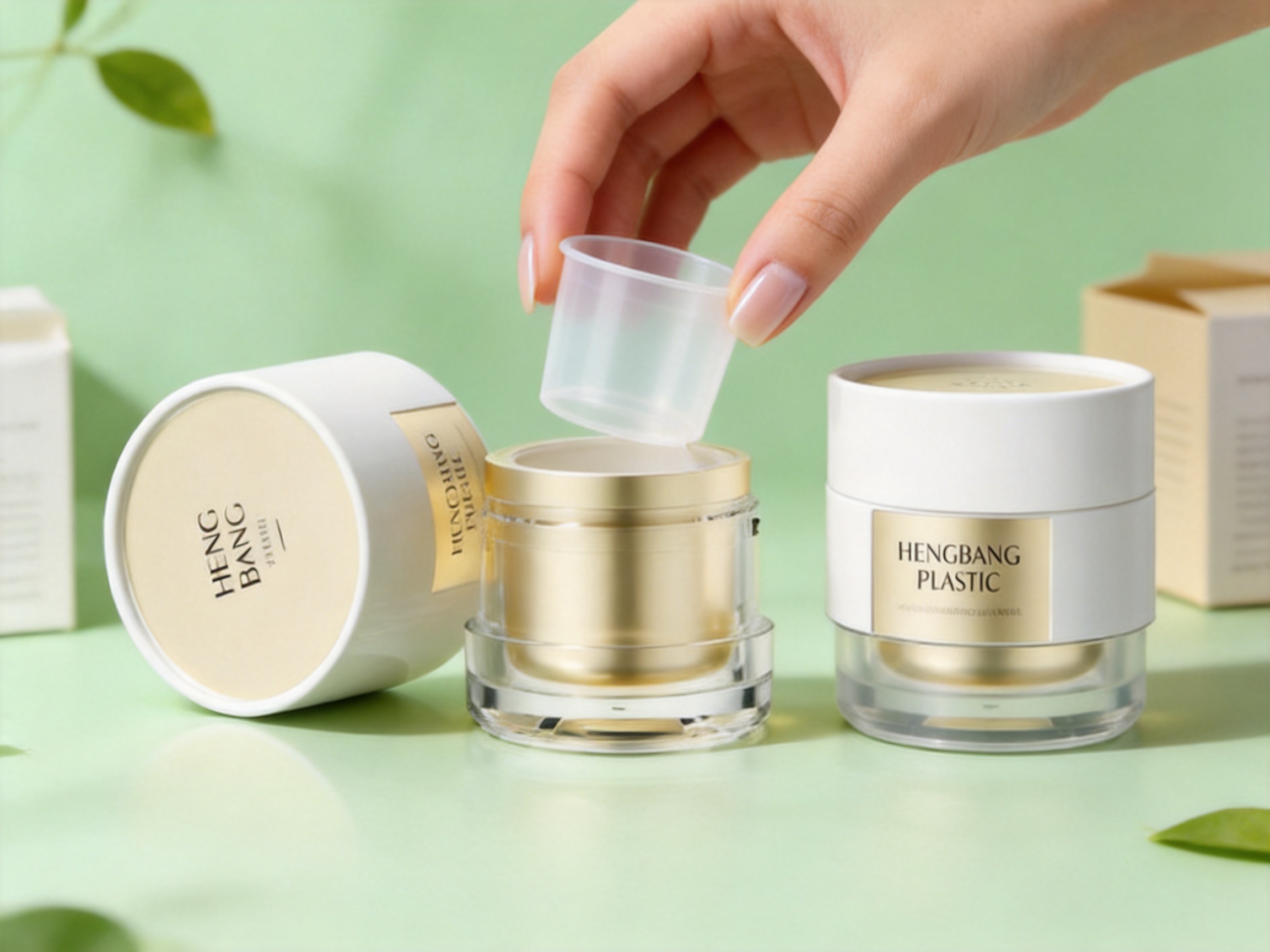
Quality control is a critical factor in cosmetic packaging because the package directly affects consumer trust. A jar that scratches easily, leaks, feels loose, or looks inconsistent can harm the reputation of the skincare product. Even if the formula is excellent, poor packaging can reduce perceived value.
For a double wall refillable cream jar, quality control should cover several dimensions. Appearance inspection checks for surface marks, color differences, flow lines, deformation, or contamination. Dimensional inspection checks whether components meet required measurements. Assembly inspection confirms that the inner bottle fits properly within the outer bottle and that the cap closes correctly.
Functional testing may include opening and closing tests, stability checks, drop resistance evaluation, and refill replacement trials. The goal is to ensure that the jar performs well not only when new but also through repeated consumer use. A refillable product must remain reliable after the first fill cycle because the outer package is intended for continued use.
Packaging reliability also affects logistics. Products may travel long distances and pass through warehouses, shipping cartons, retail stockrooms, and e-commerce delivery networks. The jar must withstand normal handling while protecting its appearance. Plastic double wall construction can offer a strong advantage here because it provides a premium look with better impact resistance than many fragile alternatives.
Quality consistency is especially important for brands ordering large quantities. If one batch differs noticeably from another, the product line can appear inconsistent on shelves. Advanced manufacturing management helps ensure stable color, finish, dimensions, and assembly feel across orders.
ISO-based management systems support this reliability by creating documented procedures and measurable standards. When combined with experienced production teams and continuous improvement, these systems help reduce defects and improve customer confidence.
Cosmetic brands often require packaging that reflects their identity. The same jar structure can communicate different brand personalities through color, finish, decoration, and secondary packaging. A minimalist skincare brand may prefer soft neutral tones and simple printing. A luxury brand may choose metallic effects, deep colors, or refined surface finishes. A natural skincare brand may select earthy colors and emphasize refillability in its messaging.
The double wall refillable plastic cream jar provides a strong base for customization. The outer bottle can be designed to create visual depth, while the cap can be decorated to match the brand style. Color matching can align the package with product categories such as hydration, brightening, repair, or sensitive skin care. Printing or labeling can communicate product name, usage instructions, and sustainability information.
Decoration is not only aesthetic; it is strategic. A well-decorated jar can help a product stand out in retail photography, online product pages, influencer content, and unboxing experiences. In e-commerce, where consumers cannot touch the product before purchase, packaging visuals play a major role in conversion.
Brands can also use the refillable structure as part of the design language. For example, the outer jar may be positioned as a durable keepsake component, while refill inserts may use simpler decoration. This distinction helps consumers understand the system and reinforces the idea of reduced waste.
Customization can also support product line expansion. A brand can use the 30 ml and 50 ml sizes for different formulas or price levels while maintaining a consistent visual identity. This consistency strengthens shelf presence and improves brand recognition.
Refillable packaging offers economic advantages in addition to environmental benefits. For consumers, refills are typically more cost-effective than buying a complete new jar. This can make premium skincare feel more accessible over time while rewarding loyal customers.
For brands, refill systems can improve repeat purchase rates. Once a consumer owns the outer jar, the compatible refill becomes the natural next purchase. This can reduce the chance of switching to a competing product. A refill system can also support membership programs, subscription services, and bundled offers.
Refill packaging may also help brands manage product architecture. The first purchase can include the complete jar and formula, while subsequent purchases can be sold as refills. This creates a two-level offering: a premium starter package and a more economical replenishment package. Such a structure can appeal to both new customers and returning customers.
From a logistics perspective, refill components may reduce shipping material compared with full packaging sets, depending on the specific refill design and carton configuration. Lower material use can support cost management and environmental reporting. For international brands, reducing unnecessary packaging weight and volume can be especially valuable.
Retailers can also benefit from refill programs because they encourage repeat store visits or recurring online orders. A well-designed refill system can create a long-term product ecosystem rather than a single transaction. This is one reason refillable packaging has become increasingly important in the beauty industry.
Sustainability discussions sometimes present plastic only as a problem, but the reality is more complex. Plastic can be lightweight, durable, moldable, and efficient to transport. When used responsibly and designed for reuse or refill, plastic packaging can play a meaningful role in reducing waste and improving practicality.
The key issue is not simply whether a package uses plastic, but how the plastic is used. A single-use package with excessive material and no refill option has a different environmental profile from a durable outer jar designed for repeated use. The double wall refillable plastic cream jar uses plastic in a more intentional way by extending the life of the outer component.
Plastic also offers design flexibility. It can be molded into precise shapes, produced in consistent volumes, and decorated in many ways. For cosmetic brands, this flexibility is important because packaging must meet both functional and emotional expectations. Consumers want products that are beautiful, convenient, safe, and aligned with their values.
Compared with heavier materials, plastic can reduce transport weight. This may lower logistics energy use, especially for large-scale distribution. Plastic can also reduce breakage risk, which helps prevent product loss and waste. If a glass jar breaks during transport, both the package and the formula may be wasted. A durable plastic jar can help avoid this problem.
Therefore, refillable plastic packaging should be viewed as a practical route toward better packaging responsibility. It does not claim to solve every environmental issue, but it provides a clear improvement over repeated disposal of full packaging units.
The circular economy concept focuses on keeping materials in use for as long as possible, reducing waste, and designing products with reuse, repair, refill, or recycling in mind. In skincare packaging, refillable jars support this concept by separating the long-life outer container from the replaceable product-contact component.
A circular beauty model requires cooperation between manufacturers, brands, retailers, and consumers. Manufacturers must design reliable refillable structures. Brands must create refill programs and communicate them clearly. Retailers must present refills in an accessible way. Consumers must understand and adopt the refill habit.
The double wall refillable plastic cream jar contributes to this system by making refillability simple and attractive. If the packaging looks premium and the refill process feels convenient, consumers are more likely to participate. This is essential because sustainability succeeds best when it fits naturally into existing habits.
For brands, circular packaging can also strengthen corporate responsibility. Environmental commitments are more credible when they are connected to tangible product design. A refillable cream jar gives brands a concrete example of waste reduction that can be shown, explained, and measured over time.
The packaging also supports future innovation. As materials, recycling systems, and refill logistics improve, the same refillable concept can evolve. Brands can explore improved inner components, upgraded decoration, and enhanced consumer return or refill systems. The double wall jar provides a practical platform for this evolution.
Yuyao Hengbang Plastic Co., Ltd. brings together manufacturing scale, technical knowledge, and industry experience. Established in 2006, the company has built a strong position in plastic cosmetic packaging. Its 35,000-square-meter building area and workforce of more than 300 employees support production capacity for a wide range of cosmetic containers.
The company specializes in plastic packaging for cosmetics and skincare products. This focus is important because cosmetic packaging requires a different level of visual and functional quality than many ordinary plastic products. Surface finish, color stability, closure feel, decoration quality, and formula compatibility are all important.
The company’s product categories include cosmetic bottle sets, airless bottles, double chamber bottles, lotion bottles, plastic cream jars, sunscreen bottles, and toner bottles. This wide product scope allows the company to serve brands with complete packaging needs. A skincare brand may require cream jars, lotion bottles, toner bottles, and sunscreen packaging within the same product line. Working with a supplier that understands multiple packaging formats can improve consistency and efficiency.
The company emphasizes design and development services. This helps customers move from concept to market-ready packaging. For brands developing a refillable line, design support can be especially valuable because the package must meet sustainability, usability, and visual requirements simultaneously.
The company has passed ISO9001:2015 and ISO14001:2015 certifications. These certifications support confidence in quality management and environmental management. In an industry where buyers often require documented supplier capability, such certifications are important indicators of professional operation.
The company’s recognition as a high-tech enterprise and ownership of multiple invention patents further reflect its commitment to technical progress. For customers, this means the supplier is not only producing existing designs but also developing new solutions and improving packaging performance.
The business philosophy of quality, integrity, and customer first is aligned with the needs of cosmetic brands. Packaging suppliers must be reliable partners because packaging delays, defects, or inconsistencies can disrupt product launches. A supplier that focuses on quality and customer service can help reduce risk throughout the supply chain.
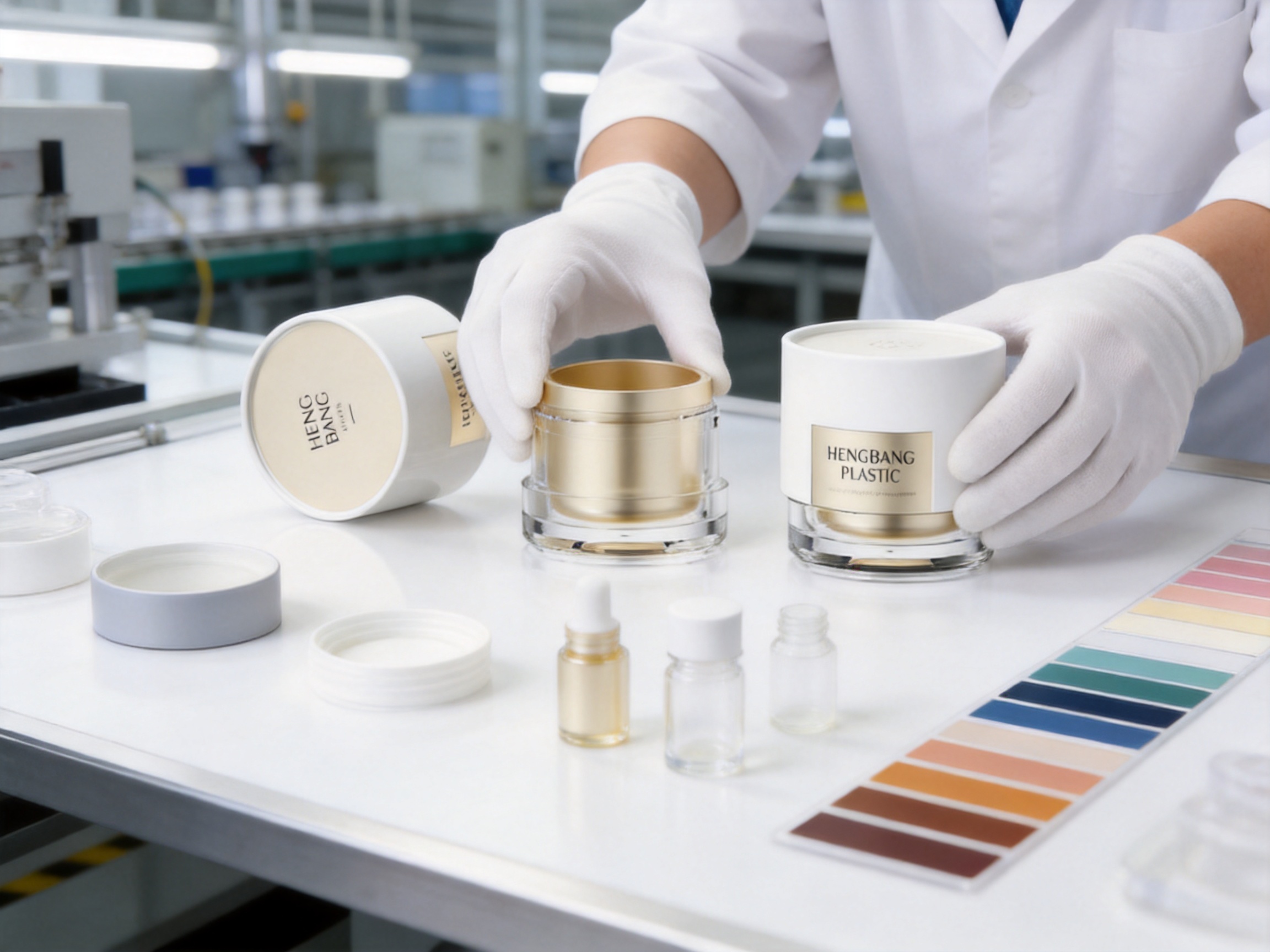
Launching a skincare product requires careful coordination between formula, packaging, branding, filling, compliance, photography, marketing, and distribution. Packaging must arrive on time, meet specifications, and support the brand story. A refillable cream jar can strengthen a launch by giving the product a clear point of differentiation.
For a new moisturizer, the jar can communicate both luxury and environmental responsibility. For a night cream, it can create a premium ritual image. For an eco-conscious skincare line, it can become the central packaging feature. For a brand relaunch, it can show that the company is updating its products to meet modern expectations.
The availability of 30 ml and 50 ml sizes supports launch flexibility. A brand might introduce a 50 ml full-size product and a 30 ml travel or trial version. It might also use 30 ml for a concentrated formula and 50 ml for a daily moisturizer. This flexibility helps brands build complete product strategies.
The refill concept can be integrated into launch messaging. Brands can explain the first purchase as the complete jar and later purchases as refills. They can highlight reduced waste, lower refill cost, and continued use of the premium outer package. This gives marketing teams a strong story that is both practical and emotionally appealing.
Packaging photography can also benefit from the double wall structure. The jar’s form can create a premium visual impression in product images, social media posts, and promotional materials. In digital beauty marketing, packaging that photographs well can significantly improve consumer interest.
When selecting refillable cream jar packaging, brands should consider formula compatibility, filling process, target market, decoration requirements, refill logistics, and communication strategy. The package is only one part of the total product system, so it should be evaluated in relation to the brand’s full commercial plan.
Formula compatibility testing is essential. Although PP and related packaging materials are widely used in cosmetics, each formula may contain different oils, actives, fragrances, preservatives, or textures. Brands should test packaging with their actual formula under expected storage conditions.
Filling process compatibility should also be reviewed. The jar should work with the brand’s filling equipment or contract manufacturer’s production line. Filling speed, closure application, labeling, and packaging carton design can all affect launch efficiency.
Decoration choices should match the brand’s identity and budget. Premium finishes can elevate the product, but they should be selected carefully to support recyclability, cost control, and production consistency. A clean design may be more effective than excessive decoration if the brand emphasizes sustainability.
Refill logistics require planning. Brands should decide how refills will be sold, packaged, shipped, and displayed. They should also provide clear instructions so consumers understand how to replace the inner bottle. The easier the process is to understand, the more successful the refill program will be.
Communication is equally important. Consumers need to know why the refill system matters and how it benefits them. Messaging should be simple, honest, and specific. Claims about waste reduction and environmental value should be supported by the actual packaging design and refill program.
The main advantage is that it combines a premium double wall appearance with a refillable inner bottle system. Consumers can keep the outer jar and replace only the inner component, helping reduce plastic waste while maintaining an elegant skincare package.
The jar is suitable for day creams, night creams, moisturizers, facial balms, skincare masks, and other cream-based cosmetic formulas. The 30 ml and 50 ml capacities are common sizes for premium facial skincare products.
The refill system reduces the need to discard the complete jar after each use cycle. By reusing the outer package and replacing only the inner bottle, brands and consumers can reduce repeated plastic consumption and support a more circular packaging model.
A plastic refillable jar can offer a premium appearance while remaining lighter and more impact-resistant than glass. This can reduce breakage risk and improve shipping practicality, especially for e-commerce and international distribution.
The cap is made from ABS and PP, the outer bottle is made from MS and ABS, and the inner bottle is made from PP. This combination supports strength, appearance, refill practicality, and reliable daily use.
The jar is available in 30 ml and 50 ml capacities. Both sizes have a compact and balanced shape suitable for skincare products, retail display, and consumer use.
Ordinary single-use cream jars are typically discarded after the formula is finished. This refillable jar allows the outer package to be reused, reducing waste and creating opportunities for refill-based customer loyalty programs.
Yes. The jar structure can support different colors, finishes, printing, labeling, and decorative effects depending on brand requirements. Customization helps align the package with specific skincare lines and market positions.
Refillable packaging depends on accurate component fit. The inner bottle must sit properly in the outer jar, and the cap must close smoothly. Consistent molding, inspection, and assembly are essential for a reliable consumer experience.
Yuyao Hengbang Plastic Co., Ltd. has been producing cosmetic plastic packaging since 2006. The company has a 35,000-square-meter facility, more than 300 employees, ISO9001:2015 and ISO14001:2015 certifications, design and development capabilities, and experience across multiple cosmetic packaging categories.
The double wall refillable plastic cream jar represents a practical and attractive direction for modern skincare packaging. It answers several important market needs at once: premium appearance, user convenience, reduced waste, refill-based value, and strong brand differentiation. With 30 ml and 50 ml capacity options, a compact structure, and carefully selected materials, it is well suited for creams, moisturizers, masks, balms, and premium skincare formulas.
Compared with conventional single-use jars, this refillable format provides a clearer sustainability advantage. Compared with fragile or heavy alternatives, it offers practical handling and logistics benefits. Compared with inconvenient refill systems, it provides a cleaner and more familiar consumer experience. These advantages make it an effective choice for brands seeking to combine beauty, responsibility, and commercial performance.
The product is also supported by experienced manufacturing capability. Yuyao Hengbang Plastic Co., Ltd. brings years of specialization in cosmetic plastic packaging, broad product category knowledge, quality management certification, environmental management certification, and design development strength. These capabilities are important for delivering refillable packaging that looks refined, performs reliably, and meets brand expectations.
As consumers continue to demand more responsible beauty choices, refillable packaging will become increasingly important. A double wall refillable plastic cream jar gives skincare brands a practical way to participate in this shift without sacrificing luxury or usability. It is not only a container for cream; it is a packaging system that supports repeat engagement, environmental awareness, and a more thoughtful future for cosmetic products.
1. ISO 9001:2015 Quality Management Systems: Requirements and implementation principles.
2. ISO 14001:2015 Environmental Management Systems: Requirements and guidance for use.
3. Cosmetic Packaging and Sustainability: Industry trends in refillable and reusable beauty containers.
4. Plastic Materials in Cosmetic Packaging: Properties and applications of ABS, PP, and MS materials.
5. Circular Economy in the Beauty Industry: Refill systems, consumer adoption, and packaging waste reduction.
6. Skincare Packaging Design Principles: Function, aesthetics, protection, and brand communication.


Copyright © Yuyao Hengbang Plastic Co., Ltd.
All Rights Reserved.
 Wholesale Plastic Cosmetic Packaging Manufacturers