English
 中文简体
中文简体
News
Home > Author > Chen Xiaotong — Key Account Sales Manager > Refillable Double-Wall Cream Jars for Sustainable Skincare Packaging

 2026.07.20
 Chen Xiaotong — Key Account Sales Manager
Content
Modern skincare packaging is being reshaped by two powerful demands: premium presentation and measurable sustainability. Consumers want a cream jar that looks luxurious on a vanity, protects the formula inside, feels comfortable in the hand, and supports responsible consumption. The HB-G021 double-wall plastic refillable cream jar answers these expectations with a practical refill system, a refined double-wall structure, and material choices suited to daily creams, night creams, moisturizers, and other skincare products.
This refillable plastic cream jar is designed for brands that want to reduce packaging waste without giving up shelf appeal. Its outer structure creates a substantial, high-end appearance, while the replaceable inner bottle allows users to keep the main jar and purchase lower-waste refills. Compared with traditional single-use cream jars, the refillable concept can help reduce repeated use of heavy outer components and support a more circular approach to cosmetic packaging.
The product is available in 30 ml and 50 ml capacities, two of the most widely used sizes for facial creams and moisturizers. With a height of approximately 67 mm and a diameter of 66.5 mm, the jar offers a compact yet stable format. Its construction uses an ABS and PP cap, an MS and ABS outer bottle, and a PP inner bottle. This combination balances appearance, durability, refill practicality, and formula-contact suitability.
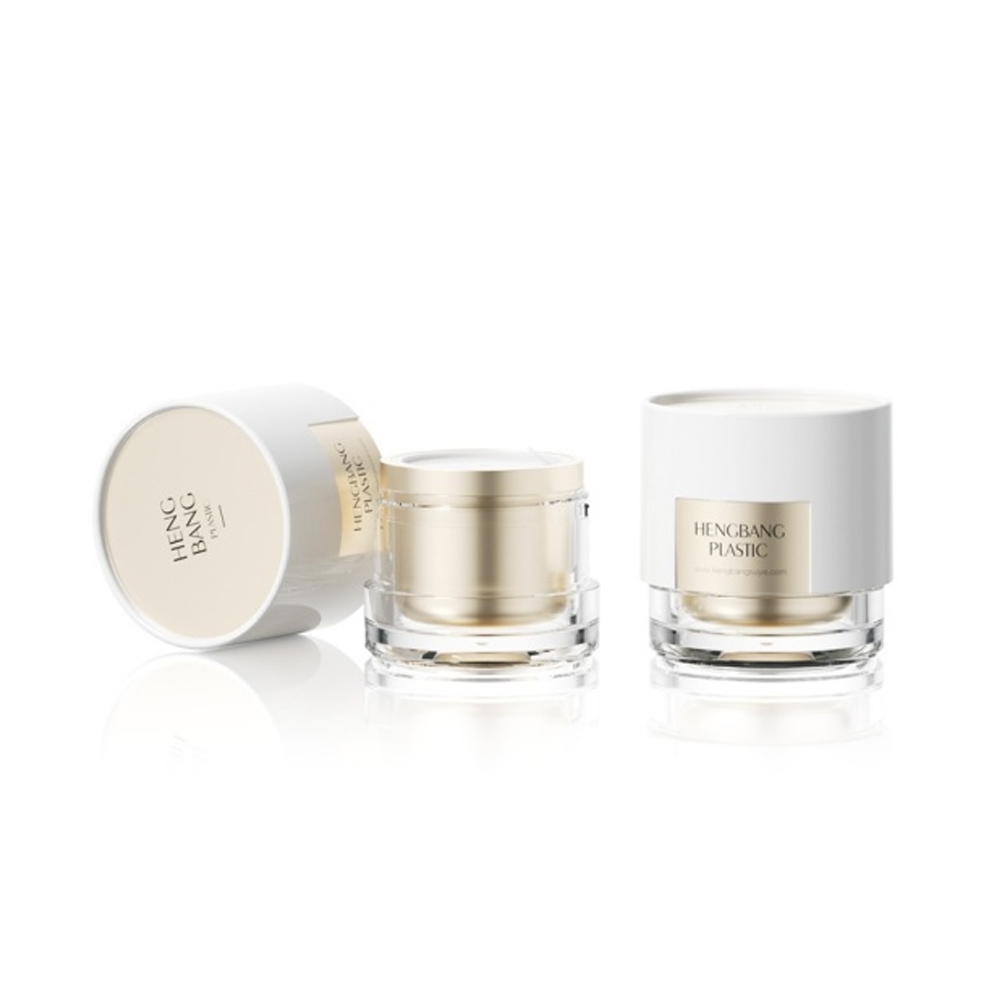
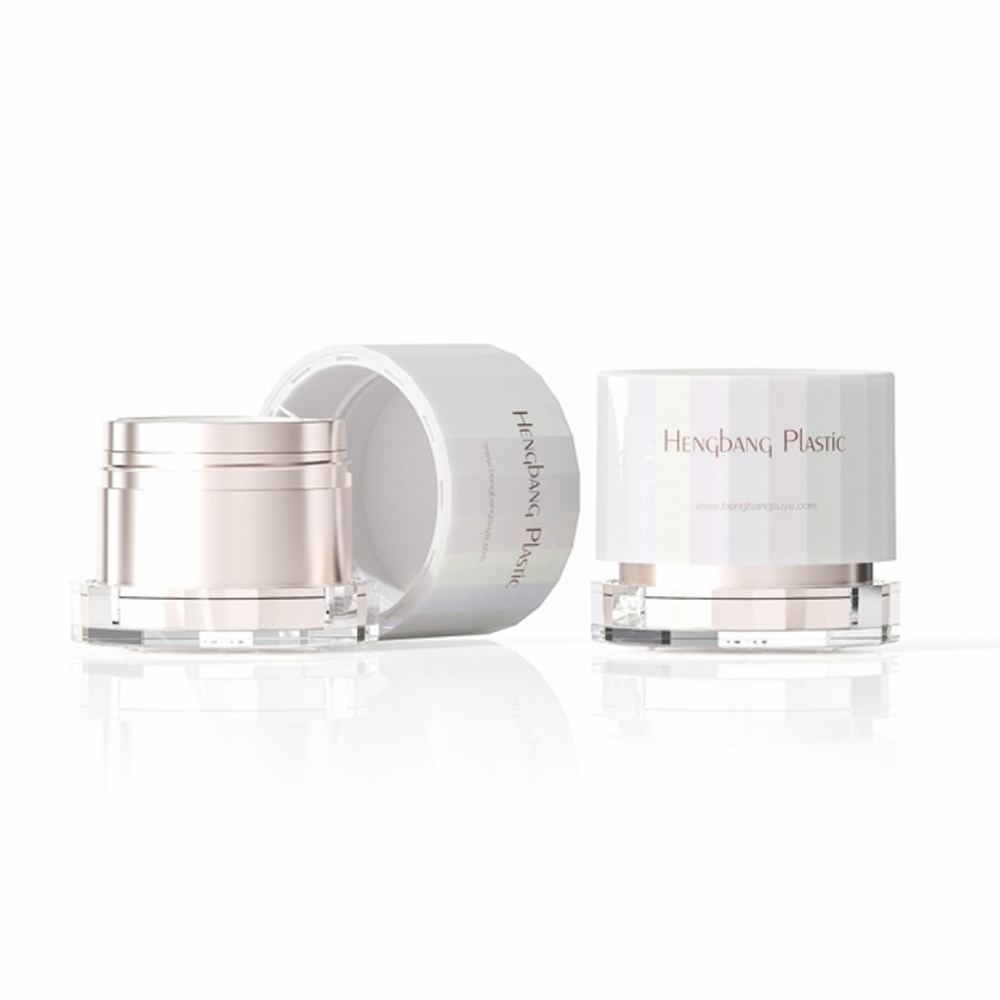
HB-G021 Double Wall Plastic Refillable Cream Jar
The beauty industry has moved beyond packaging that is only decorative. Today, the package must communicate brand values, improve user experience, and support sustainability goals. A refillable cream jar is an effective response because it separates the long-life decorative component from the replaceable product-contact component. Instead of discarding the full jar every time a cream is finished, the consumer can replace the inner bottle and continue using the outer jar.
The HB-G021 model is especially relevant for skincare products with strong repeat-purchase potential. Day creams, night creams, barrier repair creams, moisturizers, and premium treatment products are often used consistently by loyal consumers. Once a customer likes a formula, they are likely to repurchase it. A refillable jar turns this repurchase behavior into an opportunity for waste reduction and brand loyalty. The consumer keeps the attractive outer package and buys a refill, while the brand reinforces an eco-conscious image.
Unlike some refill systems that feel complicated or fragile, this jar is intended to be convenient, clean, and straightforward. The refill process should not feel like a technical task. A good refillable cream jar must be intuitive enough for everyday users and reliable enough for repeated use. The product’s inner PP component supports this goal by acting as the replaceable container for the formulation, while the double-wall outer structure preserves the premium feel of the jar.
The HB-G021 double-wall plastic refillable cream jar is a luxurious refillable packaging option for cosmetic and skincare brands. It combines a visually substantial exterior with a replaceable inner bottle. This structure is particularly valuable for brands that want to present a premium image while responding to the growing market demand for responsible packaging.
The double-wall design gives the jar a thicker and more refined appearance than many basic single-wall plastic jars. In competitive skincare categories, perceived value matters. A cream jar is often handled before purchase, displayed after purchase, and reused visually every day by the consumer. The package becomes part of the product experience. The double-wall construction helps create a stronger impression of quality, while the refillable system adds a modern sustainability advantage.
The jar’s 30 ml and 50 ml capacities make it suitable for a wide range of facial skincare products. A 30 ml format is often used for concentrated creams, eye-area treatments, travel-friendly skincare, or premium formulations sold in smaller volumes. A 50 ml format is a standard choice for facial moisturizers and daily-use creams. Offering both sizes gives brands flexibility to build product lines with consistent design language across different formulas.
Product Type |
Double-wall plastic refillable cream jar |
Model |
HB-G021 |
Suitable Applications |
Day cream, night cream, moisturizer, treatment cream, skincare balm |
Capacity Options |
30 ml and 50 ml |
Height |
Approximately 67 mm |
Diameter |
Approximately 66.5 mm |
Cap Material |
ABS and PP |
Outer Bottle Material |
MS and ABS |
Inner Bottle Material |
PP |
Key Feature |
Refillable inner bottle with premium double-wall exterior |
Packaging performance depends heavily on material selection. In this cream jar, each material has a specific role. The cap uses ABS and PP, combining structural strength and practical usability. ABS is known for rigidity, dimensional stability, and premium surface potential, while PP is widely used in cosmetic packaging because of its versatility and suitability for many product-contact and closure-related applications.
The outer bottle uses MS and ABS. MS can provide clarity and a glass-like visual quality in many packaging applications, making it useful for premium cosmetic containers. ABS contributes toughness and a refined molded appearance. Together, these materials help create a strong decorative shell that can remain in use while the inner bottle is replaced. This is an important distinction: the outer bottle is not merely a disposable shell, but a long-life design element.
The inner bottle uses PP, a practical and widely adopted plastic for cosmetic packaging. Because the inner bottle is the refillable and replaceable component, PP is a sensible choice for balancing cost, production efficiency, and skincare compatibility requirements. For brands, this structure can make refills more economical than full replacement jars, because the refill component can be simpler than the complete double-wall package.
Compared with conventional cream jars made as one complete disposable unit, this material strategy is more flexible. The premium materials and decorative potential are concentrated in the outer jar, while the refill component focuses on functionality and product containment. This separation can reduce unnecessary repeated use of heavier decorative parts and can support lower material consumption over multiple purchase cycles.
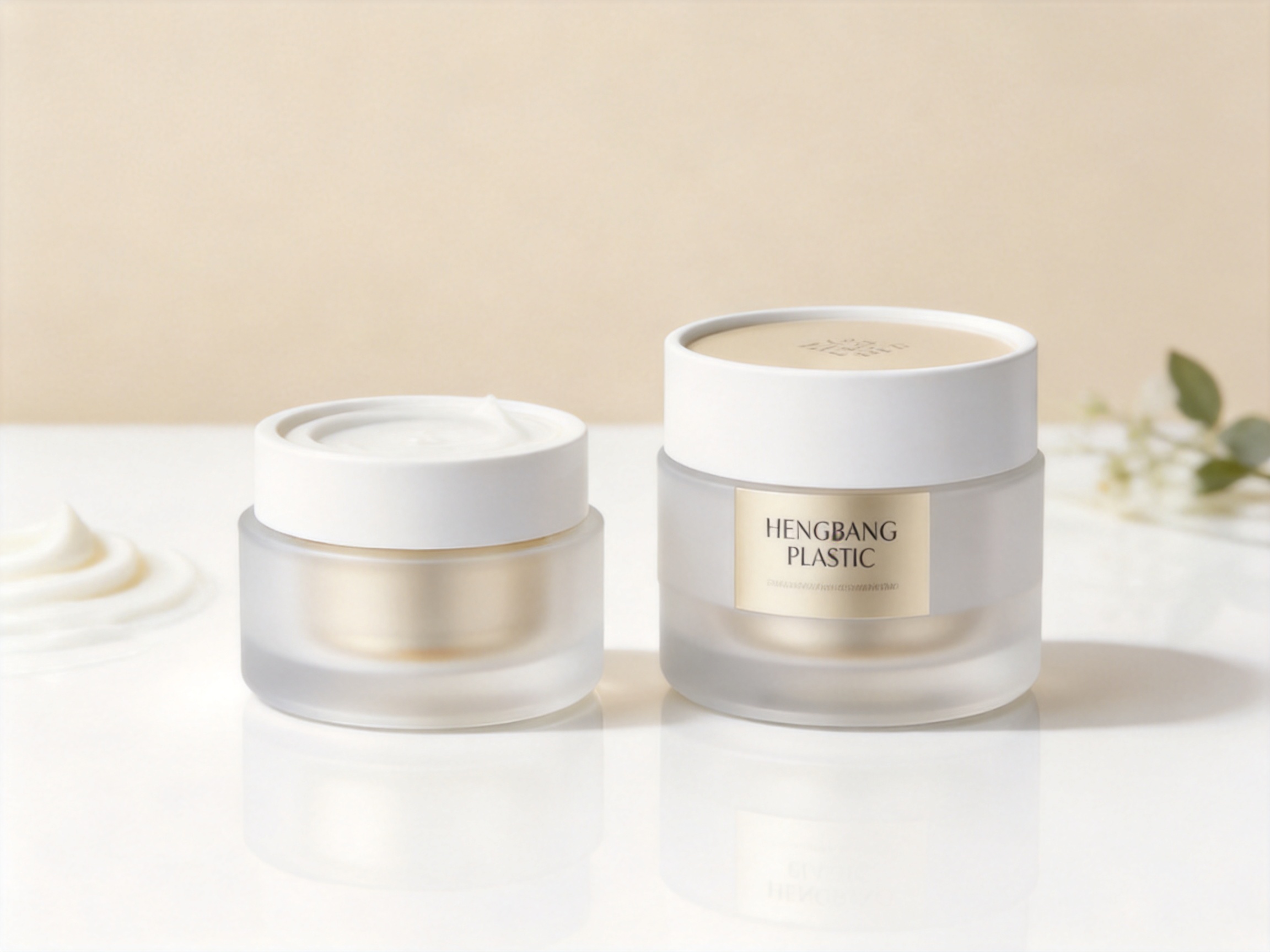
The first major advantage is waste reduction. In a standard single-use jar, the entire package is discarded after the cream is finished. Even when recyclable materials are used, collection, sorting, cleaning, and processing are not always guaranteed. A refillable design directly addresses the source of waste by encouraging the reuse of the main container. The consumer retains the outer jar and replaces only the inner bottle, reducing the amount of packaging discarded with each repurchase.
The second advantage is consumer loyalty. Refill systems create a repeated relationship between the customer and the brand. Once the consumer owns the premium outer jar, purchasing refills becomes an easy next step. This can strengthen product attachment and encourage repeat sales. In a crowded skincare market, packaging that supports loyalty is commercially valuable.
The third advantage is premium presentation. Some sustainable packages look plain or compromise the luxury feeling expected in high-end skincare. The double-wall structure helps solve this problem. It allows the jar to look substantial, stable, and elegant while still supporting a refill system. The result is a package that speaks to both beauty and responsibility.
The fourth advantage is economic value. Refills are typically more cost-effective than buying a full new jar because they do not require all decorative and structural components to be replaced. This benefits both brands and consumers. Brands can develop a refill business model, while consumers can feel that they are making a smarter purchase after the first full jar.
The fifth advantage is differentiation. Many cosmetic products still use ordinary jars that differ only in color or decoration. A refillable double-wall jar provides a more meaningful point of difference. It gives sales teams, e-commerce pages, and retail displays a clear story: premium skincare packaging with a practical refill concept and reduced environmental impact.
Not all refillable packaging is equally effective. Some refillable jars are visually bulky but not elegant. Others are too lightweight and fail to communicate premium value. Some designs require complicated replacement steps, making consumers less likely to use the refill system. The HB-G021 cream jar is positioned to overcome these common weaknesses by combining a refined outer appearance with a straightforward refill approach.
Compared with overly complex refill packs, a replaceable inner bottle offers cleanliness and convenience. Consumers may be uncomfortable scraping cream from a soft pouch into a jar because the process can be messy and may raise hygiene concerns. A dedicated inner bottle reduces this inconvenience. The refill becomes a component replacement rather than a manual transfer process.
Compared with basic single-wall refillable jars, the double-wall design provides greater visual depth and a more luxurious hand feel. This matters because premium skincare consumers often expect packaging that reflects the quality and price of the formula. A sustainable package that looks inexpensive can weaken brand positioning. This jar supports eco-conscious messaging while maintaining a high-end look.
Compared with glass jars, plastic double-wall jars can offer practical benefits in weight and handling. Glass often communicates luxury, but it is heavier, more fragile, and may increase transport energy because of its weight. A well-designed plastic jar can achieve a premium appearance while being more resistant to breakage in daily use and easier to handle during logistics.
Compared with non-refillable acrylic-style jars, this design better aligns with current sustainability expectations. Traditional thick-wall plastic jars may look luxurious but can be criticized for material intensity if they are discarded after one use cycle. A refillable structure helps preserve the premium look while improving the environmental story.
The refillable system is one of the most practical packaging strategies for reducing cosmetic packaging waste. While material recycling remains important, refill and reuse models can reduce the need to produce a complete new container for every purchase. In the skincare industry, where product repurchase is common, this model is especially relevant.
The HB-G021 jar supports the idea of a circular economy by extending the life of the outer packaging. In a linear model, packaging is produced, used, and discarded. In a circular model, products and materials remain in use for longer. A refillable cream jar helps shift the customer journey from disposal toward reuse. This can be valuable for brands that want to communicate sustainability in a practical and consumer-friendly way.
Environmental benefits are not limited to end-of-life waste. Packaging production, transportation, and replacement all contribute to a product’s total environmental footprint. If the consumer repeatedly purchases only the refill component instead of a full jar, material demand can decrease over time. For brands selling high-volume skincare products, the cumulative impact can be significant.
Refillable packaging also supports responsible consumer behavior without forcing a dramatic lifestyle change. The customer does not need to abandon premium skincare or accept unattractive packaging. Instead, the customer can keep a beautiful jar and simply replace the inner bottle. This ease of adoption is one reason refillable cosmetic packaging is gaining attention across the beauty industry.
A refillable product must be designed around real user behavior. If the process feels messy, difficult, or uncertain, consumers may not continue using refills. Convenience is therefore central to the value of the HB-G021 jar. The replaceable inner bottle is intended to make refilling more direct than loose product transfer methods. This helps preserve a clean user experience and supports repeat use.
The jar’s dimensions also contribute to usability. A diameter of about 66.5 mm gives the container a stable base and a comfortable presence. The height of approximately 67 mm keeps the jar compact enough for bathroom shelves, dressing tables, cosmetic bags, and retail displays. These proportions are suitable for both 30 ml and 50 ml skincare formats, allowing brands to maintain visual consistency across product sizes.
The cap and jar structure are designed for repeated handling. Skincare consumers open and close jars frequently, sometimes twice a day. Packaging must feel secure, comfortable, and durable. The use of ABS and PP in the cap supports functional strength, while the outer MS and ABS shell contributes to the premium tactile impression.
In premium skincare, touch matters. The consumer’s perception begins before the formula touches the skin. A jar that feels stable, smooth, and well-made can elevate the entire product experience. The double-wall construction gives the container a more substantial feel than many lightweight jars, which can improve perceived quality at the point of use.
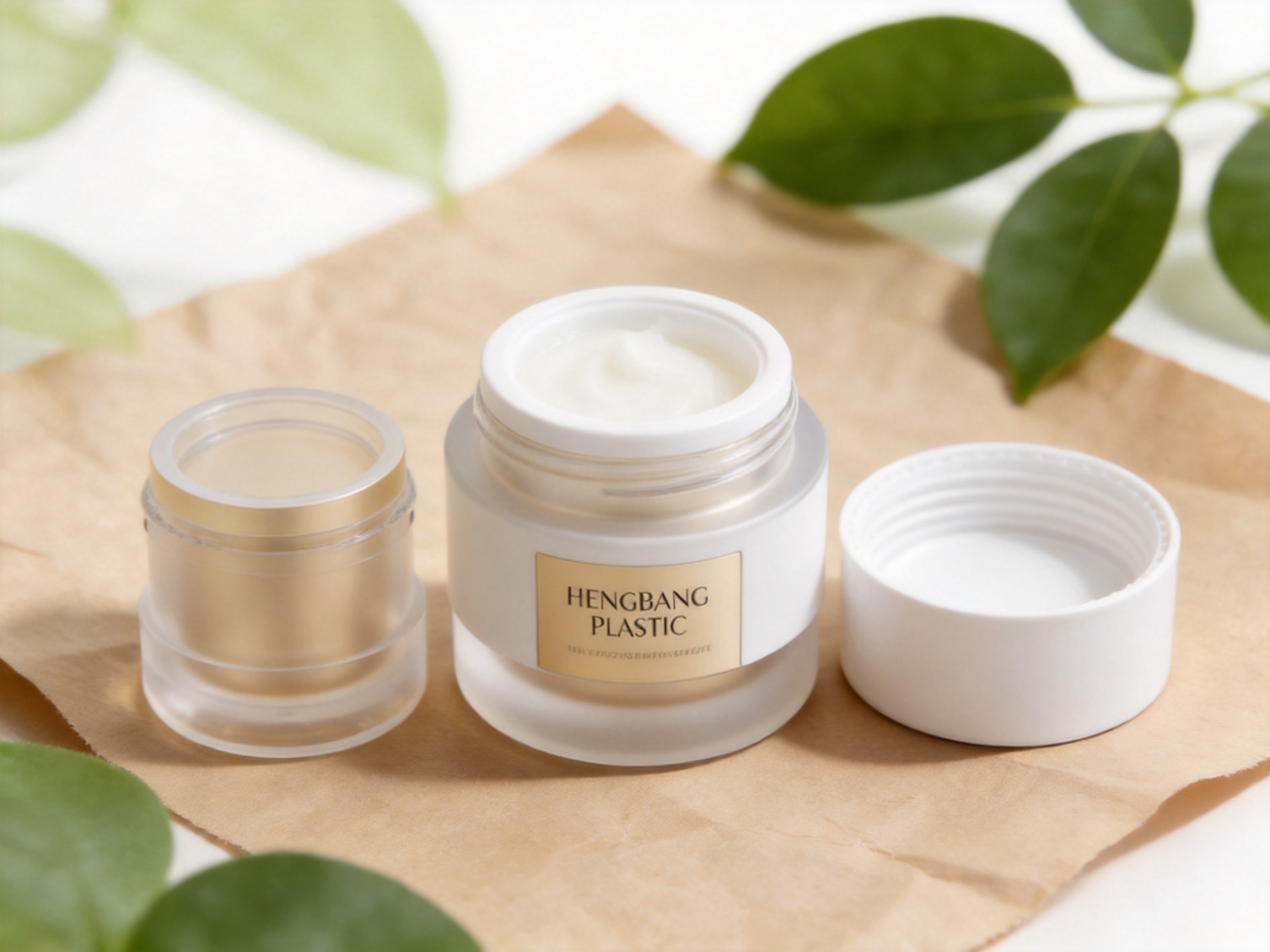
The HB-G021 refillable cream jar is suitable for multiple skincare categories. Day creams benefit from packaging that is convenient and attractive for daily use. Night creams often carry a more luxurious positioning, making the double-wall appearance especially relevant. Moisturizers are frequently repurchased, making them ideal for refill systems. Treatment creams and barrier repair formulas can also benefit from a premium, protective, and responsible package.
For a brand launching a new eco-conscious skincare line, this jar can serve as a central packaging identity. A consistent refillable jar format allows the brand to build recognition and communicate sustainability across multiple products. The 30 ml and 50 ml options can be used to differentiate concentrated formulas from standard moisturizers while keeping the same design language.
For established brands, the jar can support packaging upgrades. A company may already sell creams in conventional jars but want to introduce refill options to meet changing consumer expectations. By adopting a refillable double-wall jar, the brand can modernize its packaging without sacrificing the premium look its customers expect.
For private label and contract manufacturing projects, the jar provides a practical balance of customization potential and ready application. Brands can adapt visual elements such as color, surface finish, decoration, and labeling to match their market positioning. A minimalist brand might choose clean neutral tones, while a luxury skincare brand may prefer metallic effects, soft-touch finishes, or elegant color contrasts.
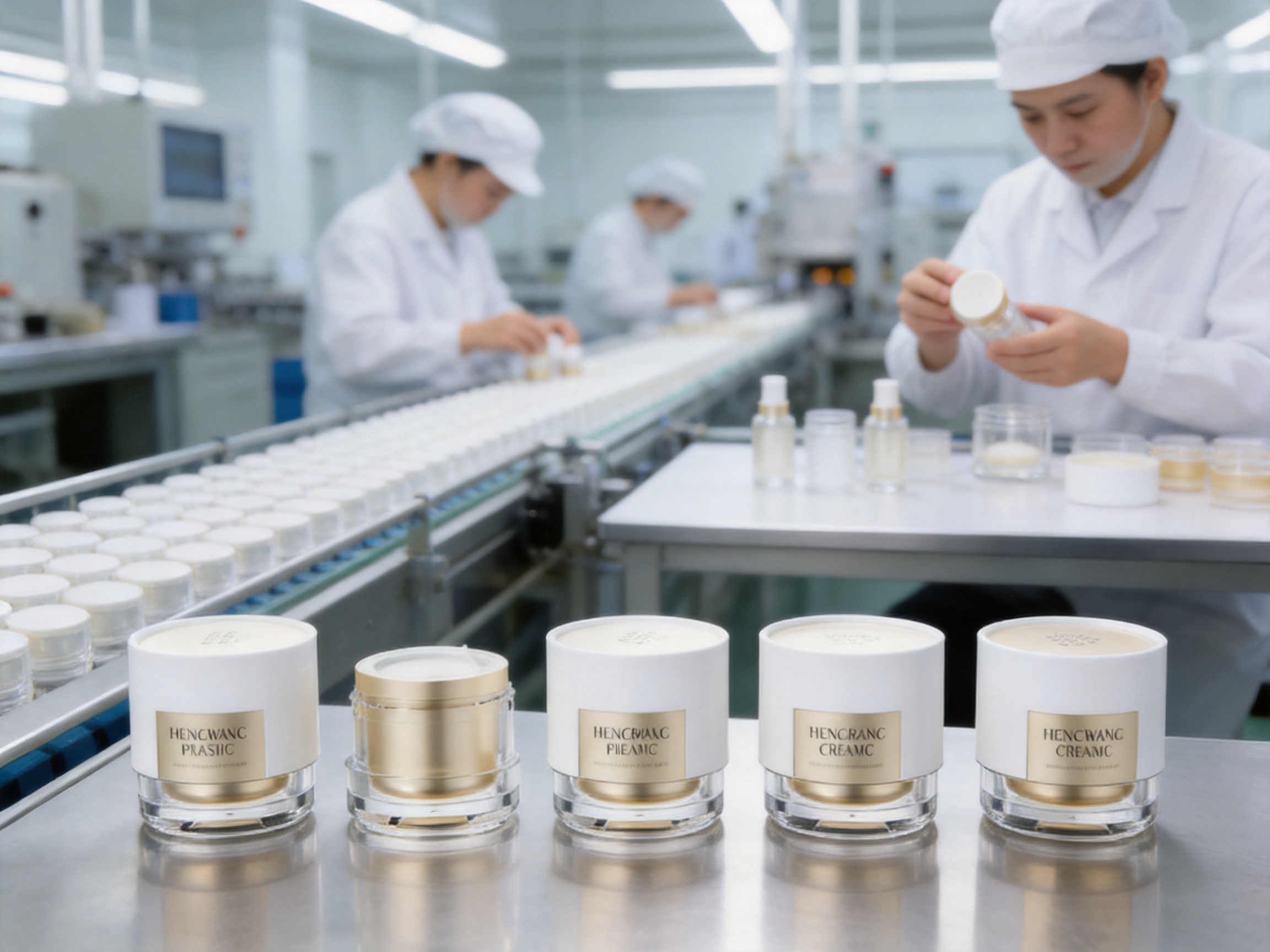
A refillable cream jar requires more than a creative concept. It demands precise manufacturing, stable assembly, material control, and quality management. The company behind this product, Yuyao Hengbang Plastic Co., Ltd., specializes in plastic packaging for cosmetics and skincare products. Established in 2006, the company has grown into a manufacturer with a building area of 35,000 square meters and more than 300 employees.
This manufacturing scale matters because cosmetic packaging must be delivered with consistency. Skincare brands need reliable dimensions, stable colors, good closure performance, clean appearance, and dependable supply. A factory with an experienced team and dedicated production capacity is better positioned to support both new product development and repeat orders.
The company’s young and professional team provides a full range of services, including design and development. This is important for brands that require packaging solutions rather than simple commodity containers. A refillable jar may require attention to component fit, customer handling, decoration compatibility, and production efficiency. Design and development support helps brands move from concept to market-ready packaging.
The company has passed ISO9001:2015 and ISO14001:2015 certifications. ISO9001:2015 reflects a quality management system focused on consistent processes and customer satisfaction. ISO14001:2015 reflects environmental management practices. For skincare brands, these certifications provide confidence that packaging is produced under structured management systems rather than informal production methods.
In 2021, the company was awarded as a Ningbo High-Tech Enterprise and owns multiple invention patents. This reinforces its ability to innovate in packaging design and manufacturing. In a market where many suppliers can produce standard jars, advanced development capability is a competitive advantage. Refillable packaging, double-chamber bottles, airless bottles, lotion bottles, toner bottles, sunscreen bottles, and cream jars all require specialized design knowledge and production control.
The production of a double-wall refillable cream jar typically involves multiple stages, including material preparation, mold design, injection molding, component inspection, surface finishing, assembly, and final quality control. Each stage affects the finished product. A small dimensional variation can influence fit. A surface defect can reduce perceived value. An inconsistent color can affect brand identity. Process control is therefore essential.
Injection molding is central to plastic cosmetic packaging. The molds must be designed with precision so that the cap, outer bottle, and inner bottle fit correctly. The double-wall structure requires careful attention to tolerances and component interaction. A refillable design also requires repeated assembly and removal behavior to be considered during development. The inner bottle must fit securely but still support convenient replacement.
Material handling is another important step. ABS, PP, and MS must be processed under suitable conditions to achieve stable appearance and performance. Temperature, pressure, cooling time, and mold maintenance all influence the final component. Professional production teams monitor these variables to reduce defects such as warping, sink marks, flashing, scratches, and inconsistent gloss.
Surface quality is especially important for luxury cosmetic packaging. Cream jars are often displayed close to the consumer’s eyes and hands. Any visible imperfection can reduce the perception of quality. A manufacturer with experience in cosmetic packaging understands that appearance standards are higher than those for many ordinary plastic products. Smooth surfaces, clean edges, consistent color, and accurate assembly are all part of the premium effect.
Assembly control is crucial for refillable packaging. The cap, outer bottle, and inner bottle must come together as a complete system. If the inner bottle is too loose, the refill experience may feel unstable. If it is too tight, replacement may become inconvenient. If the cap alignment is poor, the package can feel low quality. Proper assembly procedures and inspection help ensure that each jar performs as intended.
Cosmetic packaging quality is not only about passing a final inspection. It is built throughout the production process. A strong quality management system begins with material selection and supplier control, continues through molding and assembly, and ends with final inspection and shipment preparation. ISO9001:2015 certification supports this process-oriented approach.
For the HB-G021 jar, quality management includes attention to dimensional consistency, component fit, visual appearance, and user handling. Since the jar is refillable, quality must support repeated interaction. A package that looks good once but fails after repeated use does not meet the expectations of refillable skincare packaging. Durability and consistency are essential to maintaining consumer trust.
Quality also affects brand reputation. When a consumer buys a premium cream, the package becomes part of the product promise. A loose cap, scratched surface, or difficult refill experience can damage the perceived quality of the formula itself. By working with a specialized cosmetic packaging manufacturer, brands reduce the risk of packaging problems that could affect customer satisfaction.
Another quality advantage is production repeatability. If a brand orders the jar for multiple batches over time, it needs the packaging to remain consistent. Color, size, fit, and finish must match earlier production. Experienced manufacturing teams use controlled processes to help maintain this continuity, which is important for retail displays and brand recognition.
Although the jar has a defined structure, it can support a variety of brand identities. Plastic cosmetic packaging offers many design possibilities, including color customization, finish variation, printing, labeling, and decorative effects. A refillable cream jar can be positioned as minimalist, scientific, natural, luxury, clinical, or youthful depending on the chosen design direction.
The double-wall exterior is particularly useful for premium customization. It can create visual depth and a more substantial look. Depending on the design concept, brands may choose transparent, frosted, solid-color, metallic, or soft-toned appearances. The outer jar can become a long-term brand asset because consumers keep it through multiple refill cycles.
For eco-conscious brands, decoration can communicate sustainability without appearing plain. Soft natural colors, clean typography, and understated finishes can reinforce environmental values. For luxury brands, the same jar can be adapted with elegant contrasts, glossy surfaces, or refined decorative accents. This flexibility allows the packaging to serve different market segments.
Customization also supports product line architecture. A brand can use the 30 ml size for premium treatment creams and the 50 ml size for daily moisturizers, while keeping the same jar style. Color coding can differentiate formulas, such as day cream, night cream, sensitive-skin cream, or anti-aging moisturizer. This creates a coherent shelf presence and improves consumer navigation.
Refillable packaging can create commercial benefits across the product life cycle. The first purchase may include the complete premium jar, while repeat purchases can focus on refill components. This model can improve perceived value because consumers understand that they are not paying for the full decorative package every time. It can also create new merchandising opportunities, such as starter kits, refill packs, subscription refills, and seasonal outer jar editions.
For brands, the refill model can support customer retention. Once a consumer owns the outer jar, the refill becomes the natural choice. This can reduce switching behavior and increase repeat purchase frequency. In e-commerce, refill options can also support subscription models, where consumers receive replacement inner bottles at regular intervals.
From a logistics perspective, refill components may reduce packaging volume and material use compared with shipping a complete jar every time, depending on the refill format and secondary packaging design. Brands can explore more efficient replenishment strategies while retaining premium presentation for the initial purchase. This combination of luxury and practicality is a strong market advantage.
The product also supports retailer storytelling. Retail displays can show the full jar and the refill concept together. Sales teams can explain that the consumer keeps the attractive outer container and replaces the inner bottle. This message is simple, tangible, and easier to understand than many abstract sustainability claims.
The double-wall structure is more than a visual feature. It changes the perceived value of the jar. A single-wall plastic jar can be functional, but it may look too basic for premium skincare. A double-wall jar adds thickness, depth, and stability. It can create a more luxurious appearance while still using plastic materials that are practical for production and daily handling.
In cosmetic packaging, consumers often associate weight and thickness with quality. While excessive material use is not desirable, a refillable double-wall jar offers a better balance because the outer wall is intended for long-term reuse. The more premium outer component is not discarded after one use cycle, making the material investment more justifiable.
The double-wall construction also allows the inner bottle to be functionally separated from the exterior. This separation is important for refill systems. The inner bottle can be replaced, while the outer bottle continues to provide the brand’s decorative and tactile identity. This is a smarter use of packaging design than making every component disposable.
For brands competing in crowded skincare categories, the double-wall format helps the product stand out. It offers a more sophisticated silhouette than many standard jars, and it gives consumers a reason to keep the package. The jar becomes a reusable object rather than a temporary container.
One challenge in sustainable packaging is avoiding the perception that eco-conscious products must look simple or low-cost. Many premium skincare brands are cautious about changing packaging because they do not want to lose the luxurious image that supports their pricing. The HB-G021 refillable cream jar addresses this concern by combining an elegant double-wall appearance with a refillable inner bottle.
This balance is important for the future of beauty packaging. Consumers increasingly expect brands to reduce unnecessary waste, but they still want products that feel special. Packaging must satisfy emotional and practical expectations at the same time. A premium refillable jar allows brands to tell a sustainability story while maintaining strong shelf presence.
The jar is also aligned with responsible consumption trends. Customers are becoming more aware of packaging waste and are more likely to appreciate refill options when they are easy to use. By offering a refillable cream jar, brands can invite consumers to participate in waste reduction through a simple routine: keep the outer jar and replace the inner bottle.
This approach can be especially powerful for skincare because daily routines are personal and repetitive. Each refill purchase reinforces the brand’s values. Over time, the consumer may associate the brand not only with skin benefits but also with thoughtful packaging design.
Yuyao Hengbang Plastic Co., Ltd. has built its business around cosmetic and skincare plastic packaging. Its product category coverage includes cosmetic bottle sets, airless bottles, double-chamber bottles, lotion bottles, plastic cream jars, sunscreen bottles, toner bottles, and refillable cream jars. This broad capability allows the company to support complete skincare packaging lines rather than isolated single products.
For a skincare brand, working with a supplier that understands multiple packaging formats can simplify development. A brand may need a cream jar, lotion bottle, toner bottle, and sunscreen bottle with consistent design language. A specialized manufacturer can help coordinate materials, finishes, and production requirements across the range.
The company’s business philosophy of quality, integrity, and customer first is relevant in packaging supply. Cosmetic packaging projects often involve detailed communication, samples, adjustments, testing, and production scheduling. A supplier must be responsive and reliable. The company’s long-term focus on market demand and credibility supports stable cooperation with customers.
With more than 300 employees and a large production site, the company has the organizational capacity to handle both development and manufacturing. Its professional team can assist with design and development, while its certified management systems support process discipline. These strengths are important for brands seeking dependable plastic cosmetic packaging suppliers.
The HB-G021 jar can be positioned in several market segments. In premium skincare, it offers luxury appearance and refill value. In natural or clean beauty, it supports an environmental story while maintaining quality presentation. In dermocosmetic or functional skincare, it can provide a clean, reliable, and professional look. In private label programs, it can help retailers offer refillable skincare without creating packaging from the ground up.
Marketing messages can focus on reduced waste, reusable outer packaging, convenient refills, and premium double-wall design. The package can also support claims related to responsible beauty, conscious skincare routines, and smarter repurchasing. It is important for brands to communicate these points clearly so consumers understand how to use the refill system and why it matters.
Brands can also use the jar to create starter and refill purchasing models. The first purchase can include the full jar, while subsequent purchases can include the refill inner bottle. Retailers can display both options together, and e-commerce pages can guide consumers with simple instructions. The easier the system is to understand, the more likely consumers are to adopt it.
The 30 ml and 50 ml sizes can also support tiered pricing strategies. A premium treatment cream may be sold in 30 ml, while a daily moisturizer may be sold in 50 ml. Both can share the same refillable identity. This consistency helps the brand build recognition and reinforces the sustainability concept across the product range.
Before selecting any cosmetic jar, brands should consider formula compatibility, filling process, decoration method, target price, retail channel, and consumer use habits. The HB-G021 jar provides a strong foundation, but each skincare formula and brand strategy should be evaluated carefully. Testing is recommended to confirm suitability for the specific formula, filling equipment, transportation conditions, and market requirements.
Formula compatibility is especially important for creams with active ingredients, fragrances, oils, or unique textures. The PP inner bottle is widely used in cosmetic packaging, but final compatibility should be verified with the actual formula. Stability testing can help ensure that the package and product perform well together over time.
Filling and assembly processes should also be considered. Brands need to determine whether the inner bottle will be filled separately and then assembled into the outer jar, and how refills will be packed for sale. Clear operational planning helps ensure that the refill concept works not only for consumers but also for production and distribution.
Consumer communication is another key factor. A refillable jar should include clear instructions or visual guidance. If consumers understand how to replace the inner bottle, they are more likely to use the system correctly and repurchase refills. Good packaging design includes not only the physical container but also the information that supports proper use.
This refillable double-wall plastic jar is best suited for skincare products such as day creams, night creams, moisturizers, treatment creams, and similar cosmetic formulas. Its 30 ml and 50 ml capacity options make it suitable for both premium smaller-volume products and standard facial cream formats.
The main sustainability advantage is the refillable system. Consumers can keep the outer jar and replace only the inner bottle after the cream is finished. This can reduce the amount of packaging discarded with each repurchase and supports a more circular approach to skincare packaging.
The double-wall structure improves the jar’s premium appearance, tactile value, and shelf presence. It allows the package to look more luxurious than many basic single-wall jars while still supporting a refillable inner bottle. Because the outer jar is intended for repeated use, the premium structure becomes a long-term component rather than a one-time disposable package.
The cap is made from ABS and PP, the outer bottle is made from MS and ABS, and the inner bottle is made from PP. This material combination supports a balance of appearance, structural performance, refill practicality, and cosmetic packaging functionality.
The jar is available in 30 ml and 50 ml capacities. Both sizes have a height of approximately 67 mm and a diameter of approximately 66.5 mm, allowing brands to maintain a consistent design style across different product volumes.
Glass jars can look luxurious, but they are heavier and more fragile. A double-wall plastic refillable jar can offer a premium appearance with lighter weight, better daily handling, and reduced breakage risk. It also supports a refill system that can reduce repeated disposal of the full package.
Once consumers own the premium outer jar, they have a reason to purchase matching refills. This creates a repeat-purchase pathway and strengthens the relationship between the consumer and the brand. The refill model can also support subscription programs and long-term product use.
Yes. Plastic cosmetic packaging can generally support customization through color, finish, decoration, printing, labeling, and other visual treatments. The double-wall exterior provides a strong base for premium customization, allowing the same jar structure to fit different brand identities.
A refillable double-wall jar requires precise component fit, stable molding, clean appearance, and reliable assembly. Experienced cosmetic packaging manufacturing helps ensure that the cap, outer bottle, and inner bottle work together properly and meet the visual standards expected in skincare packaging.
The manufacturer has been established since 2006, operates a 35,000-square-meter facility, employs more than 300 people, and specializes in plastic cosmetic and skincare packaging. It has ISO9001:2015 and ISO14001:2015 certifications, was recognized as a Ningbo High-Tech Enterprise in 2021, and owns multiple invention patents.
The HB-G021 double-wall plastic refillable cream jar represents a practical direction for modern skincare packaging. It combines premium visual appeal, convenient refill functionality, and responsible material use. For brands, it offers differentiation in a crowded market. For consumers, it provides a cleaner and more economical refill experience. For the environment, it supports reduced waste by extending the life of the outer container.
Its 30 ml and 50 ml capacity options make it suitable for core skincare categories, while its ABS, PP, MS, and PP component structure balances durability, appearance, and refill practicality. The double-wall design helps the jar compete with high-end cosmetic packaging, while the replaceable inner bottle gives it a sustainability advantage over conventional single-use jars.
Behind the product is a manufacturer with established experience, production scale, design and development capability, quality management certification, environmental management certification, and a strong focus on plastic cosmetic packaging. These strengths help ensure that the jar is not only an attractive concept but also a manufacturable, reliable, and commercially relevant packaging solution.
As the beauty industry continues to move toward responsible luxury, refillable cream jars like this one will become increasingly important. They allow brands to reduce unnecessary packaging waste while preserving the emotional and visual qualities that make skincare products desirable. The result is packaging that looks premium, feels practical, and supports a smarter future for cosmetic containers.
ISO. ISO 9001:2015 Quality Management Systems: Requirements.
ISO. ISO 14001:2015 Environmental Management Systems: Requirements with Guidance for Use.
European Commission. A New Circular Economy Action Plan: For a Cleaner and More Competitive Europe.
Ellen MacArthur Foundation. The New Plastics Economy: Rethinking the Future of Plastics.
Cosmetics Europe. Cosmetic Product Packaging and Sustainability Guidance.
Society of Plastics Engineers. Materials and Processing Principles for Injection-Molded Plastic Packaging.


Copyright © Yuyao Hengbang Plastic Co., Ltd.
All Rights Reserved.
 Wholesale Plastic Cosmetic Packaging Manufacturers