English
 中文简体

News
Home > Author > Li Wenjing — Cosmetic Packaging After-Sales Specialist > 50ml PETG Toner Bottle: A Clear, Durable, and Professional Packaging Solution

 2026.11.03
 Li Wenjing — Cosmetic Packaging After-Sales Specialist
Content
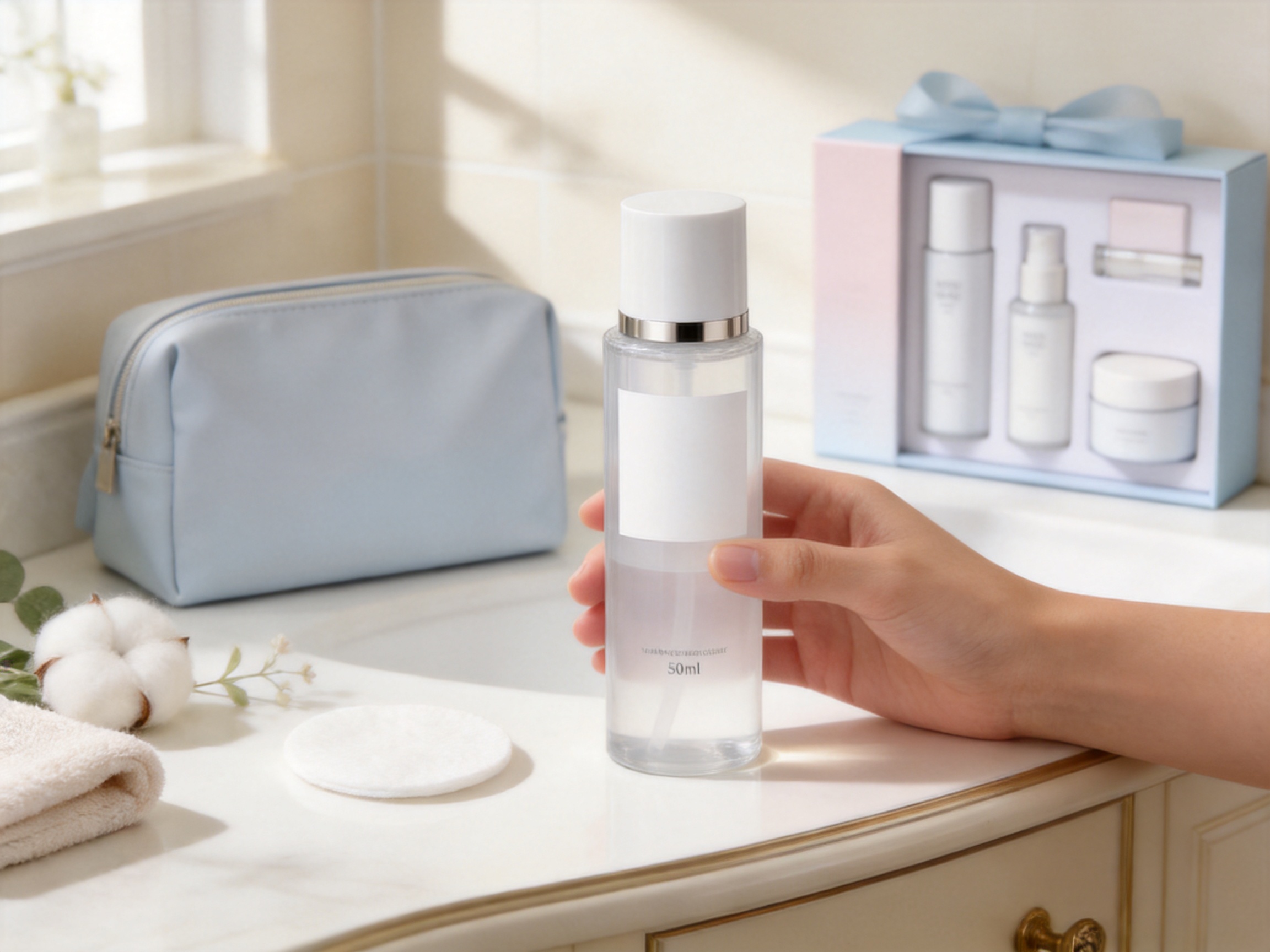
In the skincare and personal care market, packaging is more than a protective shell around a formula. It is part of the product experience, an important communication tool, and a practical factor that influences storage, transportation, dispensing, and daily use. A well-designed toner bottle must protect a lightweight liquid, present the formula attractively, feel comfortable in the hand, and remain reliable throughout the product’s commercial life. The HB-C017 50ml plastic PETG toner bottle is designed to meet these requirements through a combination of transparent construction, compact capacity, resilient material characteristics, and an ergonomic profile.
This bottle is intended for toners, essences, facial mists, cleansing waters, lightweight lotions, and other liquid skincare products. Its 50ml format offers a useful balance between sufficient product volume and convenient portability. The crystal-clear appearance allows users to see the remaining contents, while the streamlined waist supports a secure grip during application. Its compact dimensions make it suitable for travel collections, sample programs, professional skincare lines, gift sets, and premium retail packaging.
The product is manufactured by Yuyao Hengbang Plastic Co., Ltd., a Chinese cosmetic packaging manufacturer with experience in plastic containers for skincare and beauty applications. Established in 2006, the company operates from a facility with a building area of approximately 35,000 square meters and a workforce of more than 300 employees. Its capabilities include packaging design, product development, molding, production management, and customer-oriented service. The company has obtained ISO9001:2015 and ISO14001:2015 certifications, was recognized as a Ningbo High-Tech Enterprise in 2021, and owns multiple invention patents.
The following article examines the design, performance, application value, manufacturing strengths, customization potential, and purchasing considerations associated with this 50ml toner bottle.
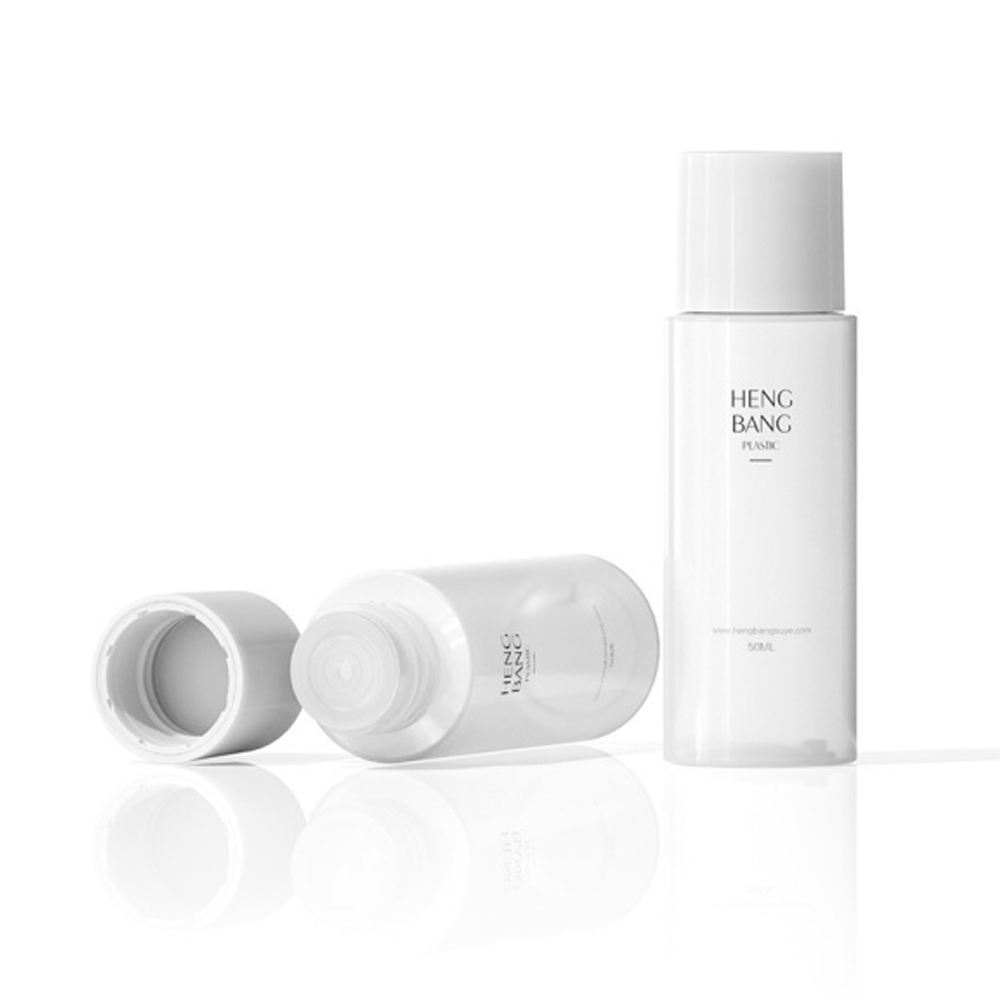
The HB-C017 is a compact plastic toner bottle with a nominal capacity of 50ml. It has a height of approximately 110mm and a diameter of approximately 35mm, creating a slender and portable profile. The shape is developed around practical handling: the body is narrow enough to hold comfortably while offering a stable surface for labeling, decoration, and branding.
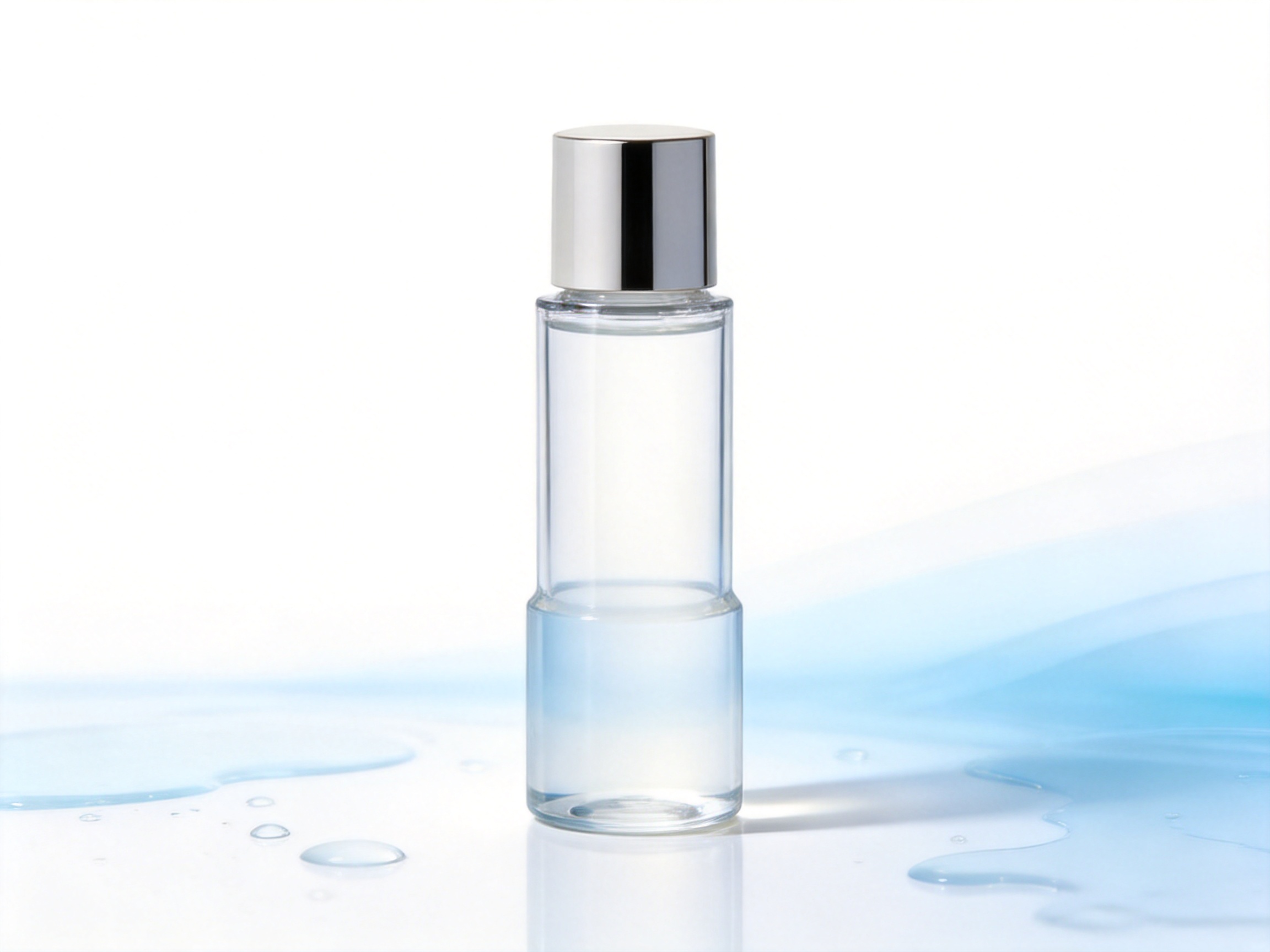
The bottle’s transparent appearance is one of its most noticeable features. Clear packaging is particularly effective for skincare products because it allows consumers to view the color, clarity, and remaining quantity of the formula. For brands that invest in visually attractive toners or essences, this transparency can strengthen shelf presentation and support a clean, modern, and clinical product identity.
According to the supplied product description, the body is made from high-transparency PETG material. The accompanying material table identifies the cap as ABS plus PP and the bottle as PET. Because the description and the specification table use different bottle-material designations, purchasers should confirm the final resin specification with the manufacturer before placing a production order. Whether the finalized body material is PETG or PET, material confirmation is important for compatibility testing, decoration planning, recycling communication, and regulatory documentation.
Product item |
HB-C017 50ml plastic toner bottle |
Primary application |
Toners, essences, facial waters, lightweight skincare liquids |
Nominal capacity |
50ml |
Approximate height |
110mm |
Approximate diameter |
35mm |
Body material stated in product description |
PETG |
Body material stated in supplied information table |
PET |
Cap material |
ABS plus PP |
Visual characteristics |
High transparency and clear product visibility |
Design characteristics |
Streamlined waist and compact cylindrical format |
The compact shape also helps brands develop coordinated product families. A 50ml bottle can be used as a travel-size item, a premium trial format, a limited-edition release, or part of a multi-step skincare set. It may also serve as a primary package for concentrated formulas where consumers prefer a smaller, more manageable size.
HB-C017 50ml Plastic PETG Toner Botter
Toners are often associated with freshness, hydration, purity, and light sensory experiences. Transparent packaging reinforces these associations by allowing the consumer to see the product immediately. A clear bottle can display a water-like formula, a delicate color, suspended botanical elements, or a minimalist liquid texture without relying entirely on printed graphics.
Visibility also has a practical benefit. Consumers can quickly determine how much product remains, which is useful for products used daily. Retailers and brand owners can also inspect the contents more easily during filling, quality control, storage, and merchandising. When the liquid appearance is an important part of the formula’s identity, a transparent container provides a direct connection between the product and the user.
Compared with opaque packaging, clear PETG or PET-style construction may offer a more open and contemporary visual language. It can support clean beauty, dermatological, spa, botanical, minimalist, and professional skincare positioning. The bottle can remain visually simple while still appearing refined when combined with a well-designed cap, label, silk-screen decoration, or metallic treatment.
Transparency can also improve product differentiation. Many toner products compete in crowded retail environments where packaging must communicate quality in a short amount of time. A well-finished clear bottle allows the formula itself to contribute to shelf appeal. The result is a package that can look light, modern, and premium without requiring an excessively complex external structure.
PETG is widely used in packaging applications where clarity, toughness, and visual quality are important. Its high transparency helps create a glass-like appearance while maintaining the practical advantages of a plastic container. PETG is also valued for its resilience and suitability for formed packaging components. For a toner bottle, these characteristics can help reduce the risk of cracking or breakage during ordinary handling and transportation.
The product description emphasizes high transparency and impact resistance. These features are especially relevant to travel-size and portable skincare packaging. A bottle placed in a cosmetic bag, suitcase, shipping carton, or retail display may encounter vibration, pressure, and accidental impacts. A resilient plastic construction can provide greater handling confidence than fragile glass while preserving a clear and premium visual effect.
The supplied information contains a technical inconsistency: the product title and descriptive paragraph identify the bottle as PETG, while the material table states “Bottle: PET.” This distinction should not be ignored in a commercial packaging project. PET and PETG have different processing characteristics, performance profiles, documentation requirements, and potential decoration or recycling considerations.
Buyers should request a final material confirmation, technical data sheet, sample approval, and, where necessary, a material declaration before mass production. The confirmation should identify the body resin, cap resin, colorants, additives, and any recycled content if applicable. It should also confirm whether the listed capacity refers to nominal fill volume, overflow volume, or another measurement standard.
This clarification process is not a weakness of the product. Instead, it is a normal and responsible part of professional packaging procurement. Clear documentation allows the brand, filling facility, regulatory team, and packaging supplier to work from the same technical basis. It also supports accurate labeling and helps ensure that the selected material is compatible with the intended formula.
The supplied specifications identify the cap as ABS plus PP. These materials can provide a useful combination of external appearance and functional component performance. ABS is commonly used for rigid, visually finished outer elements, while PP is frequently selected for internal or contact-related components because of its practical chemical-resistance characteristics.
The exact cap construction should be confirmed according to the final closure design. Important details may include the neck finish, cap thread, liner, plug, orifice, dispensing insert, and sealing structure. For toner applications, the closure must limit leakage while allowing convenient dispensing. The appropriate cap may depend on whether the product is poured into the hand, applied to a cotton pad, dispensed through a small opening, or used with a pump or specialized insert.
The HB-C017 bottle uses a streamlined waist design that is intended to improve hand comfort and grip stability. This feature is valuable because toner is often applied after cleansing, when users may have wet hands or be handling other skincare products. A bottle that is easy to hold can make the product feel more controlled and refined during everyday use.
The approximately 35mm diameter creates a slim profile that can fit comfortably into the hand and occupy limited space on a vanity, bathroom shelf, travel pouch, or retail carton. The approximately 110mm height gives the container a tall, elegant appearance without making it unnecessarily bulky. The proportions are suitable for brands seeking a modern vertical silhouette rather than a wide jar-like format.
Ergonomics also affect perceived quality. Consumers often evaluate packaging subconsciously through touch, weight, balance, closure movement, and ease of opening. A bottle with a stable grip and carefully finished components can communicate greater attention to detail. The waist design supports this impression by combining visual shaping with a functional purpose.
For professional or salon-oriented applications, the slim profile can support efficient organization. Several bottles can be arranged together in a treatment area, display tray, or product cabinet. The format may also work well in coordinated routines that include cleanser, toner, serum, emulsion, and cream, especially when the brand uses consistent proportions and decoration across the range.
Glass offers excellent transparency and a substantial premium feel, but it can add weight and create a higher breakage risk during transportation and everyday use. A resilient plastic bottle can be easier to carry, ship, and handle. This difference is relevant for travel collections, e-commerce orders, subscription boxes, and products intended for frequent use outside the home.
The HB-C017 format provides a clear appearance while reducing some of the practical concerns associated with fragile glass. Its lower weight may also help reduce shipping burden and simplify handling in warehouses and retail environments. Brands that want a transparent, refined aesthetic but need a more practical material alternative may find this type of bottle advantageous.
Opaque bottles can offer strong protection from light, but they hide the formula and remaining quantity. For toners whose appearance supports the brand story, opaque construction may limit visual communication. The transparent body of the HB-C017 allows the liquid to become part of the presentation.
Clear packaging may also reduce the need for heavy exterior graphics. A simple label, restrained logo, or direct-print design can be sufficient when the bottle’s shape and the formula’s appearance already create visual interest. This can support minimalist packaging strategies and reduce visual clutter on the retail shelf.
Jars are often associated with creams, balms, and thicker products. They are not generally the most convenient choice for watery toners because they expose a larger surface area during opening and may require consumers to pour or scoop the product. A narrow bottle format is more naturally aligned with liquid dispensing and can provide a cleaner, more controlled user experience.
The bottle format also helps maintain a clear distinction between liquid and cream categories within a product range. A brand can use coordinated decoration while allowing the container shape to communicate the product type at a glance.
Larger toner bottles may provide a lower package-to-product ratio for long-term home use, but they can be less convenient for travel and trial. The 50ml capacity is a flexible middle format. It is large enough to present a meaningful quantity while remaining compact enough for portable use, promotional programs, and premium sets.
For new product launches, a 50ml size can also lower the consumer’s commitment compared with a full-size package. Customers may be more willing to test a new formula in a smaller format, especially when the product belongs to a premium, clinical, or specialized skincare line.
Yuyao Hengbang Plastic Co., Ltd. has focused on plastic packaging for cosmetics and skincare products since its establishment in 2006. Its experience in this field is important because cosmetic packaging requires more than basic plastic forming. A successful package must combine appearance, dimensional consistency, filling-line compatibility, closure performance, decoration quality, and commercial practicality.
The company operates with a building area of approximately 35,000 square meters and more than 300 employees. This scale can support the coordination of design, engineering, production, quality management, and customer service. A structured organization is particularly valuable for packaging projects that involve multiple samples, revisions, colors, decoration methods, and delivery stages.
The company provides design and development services in addition to production. This is a meaningful advantage for brands that do not want to manage every technical stage internally. Packaging development may include concept refinement, dimensional adjustments, mold-related discussions, cap matching, decoration planning, prototype review, and preparation for mass manufacture.
For the HB-C017 bottle, development support can help customers evaluate the relationship between the body, cap, label area, filling method, and final product appearance. A supplier involved early in the process may identify practical concerns before tooling or large-scale production begins. Early technical communication can reduce the risk of costly changes later.
The company has passed ISO9001:2015 certification. This standard is associated with quality management systems and structured approaches to process control, documentation, customer requirements, corrective action, and continual improvement. In cosmetic packaging production, a quality system can help create repeatable procedures for incoming materials, production inspection, assembly, sampling, and final shipment.
Quality management is especially important for transparent bottles. Clarity, surface finish, color consistency, visible defects, deformation, scratches, black spots, and molding marks can all influence the final appearance. A clear container makes some defects more noticeable than they might be on a heavily colored or opaque package. Systematic inspection therefore contributes directly to brand presentation.
The company has also passed ISO14001:2015 certification. An environmental management system can support more organized control of environmental responsibilities, resource use, waste handling, and process improvement. It does not automatically mean that every product is biodegradable or made from recycled material, so customers should request specific environmental data for the exact bottle and cap configuration.
Nevertheless, environmental management at the manufacturing-company level can be a positive foundation for customers seeking more responsible supply-chain practices. Brands can discuss resin selection, material reduction, production waste, packaging optimization, and documentation with the supplier as part of their sustainability planning.
The company was awarded recognition as a Ningbo High-Tech Enterprise in 2021 and owns multiple invention patents. These details indicate an emphasis on technical development and innovation. In packaging manufacturing, innovation may relate to container structures, closure systems, production methods, functional improvements, or manufacturing efficiency.
Customers should evaluate the specific technical relevance of any patented solution to their project. Even when a patent does not directly apply to the HB-C017 bottle, a culture of engineering development can support better problem-solving and more flexible customization. This is useful when a brand requires a modified shape, specialized closure, coordinated family design, or decoration solution.
A professional cosmetic bottle is produced through several controlled stages rather than a single operation. The process generally begins with design review and technical confirmation. At this point, the supplier and customer should agree on capacity, dimensions, material, neck finish, closure type, decoration area, color requirements, and intended filling method.
Tooling and mold preparation follow design approval when a dedicated mold or modification is required. The mold must support the intended shape, wall distribution, surface finish, dimensional tolerances, and production efficiency. For a clear bottle, the mold surface and process control are particularly important because irregularities may affect transparency and visual quality.
Plastic processing then forms the body and cap components. The exact method depends on the confirmed resin, product structure, equipment, and production design. The body may be formed through an appropriate plastic molding process, while cap elements may require separate molding and assembly steps. Production parameters must be controlled to support consistent dimensions, stable appearance, and reliable closure interaction.
After molding, components may undergo trimming, inspection, cleaning, assembly, printing, coating, labeling, or other finishing operations. A bottle intended for toner products must be checked for contamination, deformation, scratches, leakage, and closure fit. If decoration is applied, adhesion and appearance should be assessed on the selected material and surface treatment.
Before shipment, production lots should be reviewed against approved samples and agreed specifications. Depending on the project, inspections may include visual checks, dimensional measurement, cap torque assessment, leak testing, drop or impact evaluation, capacity verification, and compatibility testing. The precise inspection plan should be agreed between the customer and supplier according to the formula, filling process, market, and risk profile.
Consistency is one of the most important differences between a prototype and a commercial packaging solution. A sample may look excellent, but mass production must maintain similar clarity, shape, closure fit, color, and decoration quality across a large quantity. Stable process control helps reduce variation and supports a consistent consumer experience.
For brands selling multiple sizes or related products, process consistency also helps maintain a unified visual identity. The HB-C017 bottle can potentially be integrated into a broader packaging program in which toner, essence, serum, or lotion containers share similar finishes and design language. The feasibility of such integration should be reviewed with the manufacturer during development.
The clear body provides a versatile foundation for branding. Depending on the final surface and production method, customers may consider pressure-sensitive labels, direct screen printing, hot stamping, color coating, metallized effects, partial frosting, or other decorative treatments. The most suitable approach depends on the desired appearance, order quantity, formula positioning, and budget.
A minimalist label can preserve the transparent look while presenting essential product information. Direct printing can create a clean, integrated appearance and may be suitable for simple logos or typography. Metallic details can make the package appear more luxurious, while soft colors or botanical illustrations may support a natural or wellness-oriented identity.
Because the bottle is tall and narrow, artwork should be developed with attention to curvature, viewing angle, and hand placement. Important text should remain legible when the bottle is held, while the label should not interfere with the visibility of the liquid unless that is part of the design strategy. The manufacturer can help confirm the practical decoration area and recommended artwork dimensions.
Cap customization can further differentiate the package. The cap may be matched to the brand color, selected in a contrasting shade, or finished with a special surface effect. A coordinated cap and label can create a stronger visual system than either element alone. The closure should also remain functionally compatible with the selected dispensing method.
The HB-C017 bottle may be suitable for private-label skincare, independent beauty brands, salon products, hotel amenities, promotional kits, and contract-filled product lines. Its standard 50ml format can shorten development compared with a completely new bottle, while the decoration and cap options can help create a distinctive market identity.
Private-label buyers should still conduct a full review of formula compatibility, filling requirements, label dimensions, closure performance, and local regulatory obligations. A standard bottle does not eliminate the need for product-specific testing. The package must perform correctly with the actual formula and filling process that will be used in production.

The most direct application is facial toner. The 50ml capacity is suitable for hydrating toners, balancing waters, exfoliating liquid products, and refreshing post-cleansing treatments. The clear body can display the formula’s color and support a clean, water-based appearance.
Many skincare brands use essence products with a fluid or slightly viscous consistency. The bottle’s slender format can accommodate these products while giving them a polished presentation. The exact closure should be selected according to viscosity and desired dispensing control.
The compact size is well suited to travel kits and discovery sets. Brands can introduce consumers to a complete routine without requiring them to purchase full-size products immediately. A coordinated set containing cleanser, toner, serum, and moisturizer can use the 50ml bottle as the liquid-treatment component.
Professional skincare lines often require packaging that looks clean, organized, and easy to handle. The bottle’s slim dimensions can fit treatment trays and storage systems. Transparent construction may also support a clinical or laboratory-inspired product identity when paired with restrained typography and high-quality labeling.
A clear bottle can be integrated into holiday sets, promotional bundles, limited editions, and special collaborations. Its neutral shape provides flexibility for seasonal decoration without requiring a completely new container structure. The brand can change the label, cap color, or outer carton while retaining the same bottle platform.
Before commercial production, customers should conduct compatibility testing with the actual formula. Cosmetic liquids can vary widely in acidity, alcohol content, botanical extracts, oils, solvents, fragrances, preservatives, and active ingredients. A packaging material that performs well with one toner may not behave identically with another formula.
Compatibility testing may examine discoloration, stress cracking, swelling, embrittlement, odor transfer, leakage, changes in transparency, cap deformation, and changes in dispensing behavior. Testing should be performed under conditions that reflect the intended product life, including storage at different temperatures where appropriate.
Closure testing is equally important. The bottle and cap should be evaluated for sealing, torque, leakage, opening force, and repeated use. If the product is intended for air transport or e-commerce shipment, the packaging system should be assessed under realistic distribution conditions. The final outer carton and protective inserts may also influence the package’s performance.
Brands should approve a sealed production sample before mass manufacture. The approved sample should represent the final body material, cap material, decoration, color, closure, and filling configuration. Any changes after approval should be documented and reviewed because even small changes in resin, mold, printing ink, or cap structure may affect performance.
Plastic packaging decisions should consider the complete product system rather than focusing only on the bottle body. The cap, label, ink, adhesive, carton, protective packaging, and shipping materials all contribute to the overall environmental profile. A compact bottle may help reduce shipping volume, but the actual result depends on the complete packing configuration and distribution method.
Customers interested in sustainability should ask for specific information about resin type, recycled content, recyclability in the target market, production waste management, and available material-reduction options. They should also verify whether the bottle and cap can be separated and identified appropriately for local recycling systems.
The ISO14001:2015 certification held by the manufacturer provides a structured environmental-management foundation, but product-level environmental claims should be based on documented evidence. Brands should avoid making broad claims such as “eco-friendly” unless they can support them with appropriate technical and regulatory information.
Material efficiency can also be considered during development. A well-designed bottle does not necessarily need excessive wall thickness to appear premium. Appropriate structural design, controlled molding, optimized decoration, and efficient outer packaging may help reduce unnecessary material use while maintaining performance.
When requesting a quotation, buyers should provide more than the desired bottle capacity. The supplier will need to know the formula type, filling volume, closure preference, target market, decoration method, expected order quantity, color requirements, and delivery schedule. Early sharing of this information helps the manufacturer recommend a practical configuration.
The material discrepancy in the supplied information should be resolved at the quotation and sample stage. The purchase specification should clearly state whether the bottle is PETG or PET, together with the cap composition and any other relevant component materials. The final documentation should match the approved sample and mass-production order.
Buyers should also request information about minimum order quantities, sample charges, mold charges, production lead time, decoration lead time, packaging method, inspection procedures, and shipping terms. These details can vary according to whether the bottle is standard or customized.
A reliable project schedule should include time for drawing approval, sample production, formula compatibility testing, decoration proofing, filling trials, final approval, mass production, inspection, and shipment. Rushing directly from concept to mass production can create avoidable quality and compatibility risks.
Confirm the exact body material, including whether the final specification is PETG or PET.
Confirm the nominal fill volume and the acceptable capacity tolerance.
Confirm the bottle height, diameter, neck finish, and closure dimensions.
Confirm the cap structure, dispensing method, and sealing performance.
Test the final bottle and closure with the actual toner or essence formula.
Approve a decorated sample using the intended label, printing, coating, or finishing process.
Review the manufacturer’s quality-control and inspection procedures.
Request environmental and material documentation where required by the target market.
Confirm order quantity, lead time, packaging method, and shipping requirements.
Maintain a signed specification and approved reference sample for future repeat orders.
The HB-C017 50ml toner bottle combines several features that are difficult to achieve in a successful package when considered separately. It offers the visual clarity associated with premium transparent packaging, the practical resilience expected from a plastic container, and the compactness required for travel and trial formats. Its streamlined waist adds an ergonomic advantage, while its vertical shape provides a useful area for labeling and decoration.
Compared with a basic straight-sided bottle, the shaped waist can improve grip and create a more distinctive silhouette. Compared with glass, the plastic construction can provide easier handling and potentially lower transportation weight. Compared with an opaque container, the transparent body allows the formula and remaining quantity to remain visible. Compared with a jar, the bottle is more naturally suited to liquid skincare products.
The manufacturer’s design-development support, quality and environmental certifications, high-tech enterprise recognition, patent ownership, workforce, and production experience add value beyond the container itself. These capabilities can help brands move from a packaging concept to a documented, repeatable, and commercially practical solution.
The most important condition is clear technical confirmation. Once the PETG-versus-PET specification is resolved and the package is tested with the intended formula, the bottle can serve as a flexible platform for toner, essence, travel, professional, and promotional applications.
The bottle is primarily designed for toners and can also be considered for essences, facial waters, lightweight lotions, treatment liquids, refreshing mists, and similar skincare products. The final application should be confirmed through formula compatibility and dispensing tests.
The product description identifies the body as PETG, while the supplied material table lists the bottle as PET. Buyers should request written confirmation of the final body material before ordering. The confirmed material should appear in the technical specification, quotation, approved sample documentation, and purchase order.
The nominal capacity is 50ml. Buyers should confirm whether this refers to the intended fill volume, nominal capacity, or another measurement basis, and should review the acceptable tolerance with the supplier.
The supplied dimensions are approximately 110mm in height and 35mm in diameter. Actual dimensions may vary slightly according to production tolerances, closure selection, and the measurement method.
The supplied information identifies the cap as ABS plus PP. The exact use of each material within the cap assembly should be confirmed with the manufacturer during technical development.
The bottle can be evaluated for customization through labels, printing, coating, color coordination, cap selection, and other decoration methods. The available options depend on the final surface, order quantity, tooling, and production requirements.
Its compact 50ml size and resilient plastic construction make it suitable for many travel and portable skincare applications. However, the final package should be leak-tested and evaluated under realistic transportation conditions before commercial release.
Transparent packaging generally provides limited protection from light compared with opaque or tinted packaging. Brands with light-sensitive formulas should conduct stability testing and consider whether a tinted, coated, or opaque version is more appropriate.
The supplied product information does not specify a pump. A pump or alternative dispensing system may be possible only if the neck finish and bottle design support it. Buyers should discuss this requirement with the manufacturer before selecting the final closure.
Brands should test material compatibility, leakage, closure fit, dispensing performance, appearance, dimensions, decoration adhesion, transportation durability, and stability with the actual formula. A production-equivalent sample should be approved before large-scale manufacturing.
The manufacturer has passed ISO9001:2015 and ISO14001:2015 certifications. It was also recognized as a Ningbo High-Tech Enterprise in 2021 and owns multiple invention patents.
Yuyao Hengbang Plastic Co., Ltd. is located at No. 7 Zhenbei Road, Mazhu Town, Yuyao City, Zhejiang Province, China.
The HB-C017 50ml plastic toner bottle is a versatile packaging solution for brands seeking transparency, portability, handling comfort, and a professional skincare appearance. Its compact dimensions make it suitable for toner, essence, travel, trial, professional, gift, and promotional applications. The clear body presents the formula directly, while the streamlined waist supports a comfortable and secure grip.
Its advantages over common alternatives include a combination of clear premium presentation and practical plastic resilience, a more liquid-appropriate format than a jar, and a more portable profile than many full-size bottles. The product can also support a broad range of branding approaches, from understated labels to customized printing and coordinated cap finishes.
The supplier strengthens the product proposition through established experience in cosmetic packaging, design and development services, a substantial manufacturing facility, more than 300 employees, ISO9001:2015 and ISO14001:2015 certifications, high-tech enterprise recognition, and patented technical development. These factors can support customers seeking a packaging partner rather than a simple component vendor.
Before purchase, the most important action is to resolve the stated PETG and PET material difference and to validate the final bottle with the intended formula and closure. With accurate technical documentation, suitable testing, and an approved production sample, this 50ml bottle can provide an attractive and practical foundation for modern toner and skincare packaging.
Yuyao Hengbang Plastic Co., Ltd. Product specification for HB-C017 50ml plastic PETG toner bottle.
Yuyao Hengbang Plastic Co., Ltd. Company information and manufacturing profile.
ISO 9001:2015. Quality Management Systems: Requirements.
ISO 14001:2015. Environmental Management Systems: Requirements with Guidance for Use.
General technical guidance for cosmetic packaging material compatibility and container-closure performance.
General packaging-development practices for plastic cosmetic containers, decoration, inspection, and transportation testing.


Copyright © Yuyao Hengbang Plastic Co., Ltd.
All Rights Reserved.
 Wholesale Plastic Cosmetic Packaging Manufacturers