English
 中文简体

News
Home > Author > Zhang Yuxin — Plastic Cosmetic Packaging Sales Representative > HB-F004 Plastic Blue Sunscreen Squeeze Bottle: A Practical Packaging Solution for Modern Sun Care

 2026.11.01
 Zhang Yuxin — Plastic Cosmetic Packaging Sales Representative
Content
Sunscreen packaging must do more than hold a formula. It must protect sensitive ingredients, support convenient daily application, communicate product quality, and remain reliable throughout transportation, storage, and repeated use. The HB-F004 Plastic Blue Sunscreen Squeeze Bottle is designed around these practical requirements. With a compact form, a soft squeezeable body, an opaque blue appearance, and a 30 ml or 50 ml capacity option, it provides a focused packaging solution for sunscreen, lotion, and other personal-care products.
The bottle is made primarily with PP and incorporates a listed combination of PP, SUYLYN, adhesive, and PE materials. Its structure is intended to balance flexibility, usability, appearance, and product protection. The soft-touch squeeze format allows consumers to dispense sunscreen in a controlled manner without relying on a pump mechanism. This can make the bottle particularly suitable for travel, outdoor use, handbags, gym bags, and everyday skincare routines.
Beyond its visible appearance, the bottle reflects the manufacturing capabilities of Yuyao Hengbang Plastic Co., Ltd., a Chinese manufacturer specializing in plastic packaging for cosmetics and skincare products. Established in 2006, the company operates with a building area of approximately 35,000 square meters and more than 300 employees. Its certifications, technical resources, product-development experience, and focus on quality management support the production of packaging for brands seeking practical and scalable cosmetic-container solutions.
This article examines the design advantages, material considerations, usability, manufacturing strengths, customization potential, quality expectations, and commercial applications of the HB-F004 bottle. It also explains why a squeeze format can be a competitive alternative to rigid bottles, jars, and pump containers in the sunscreen and skincare market.
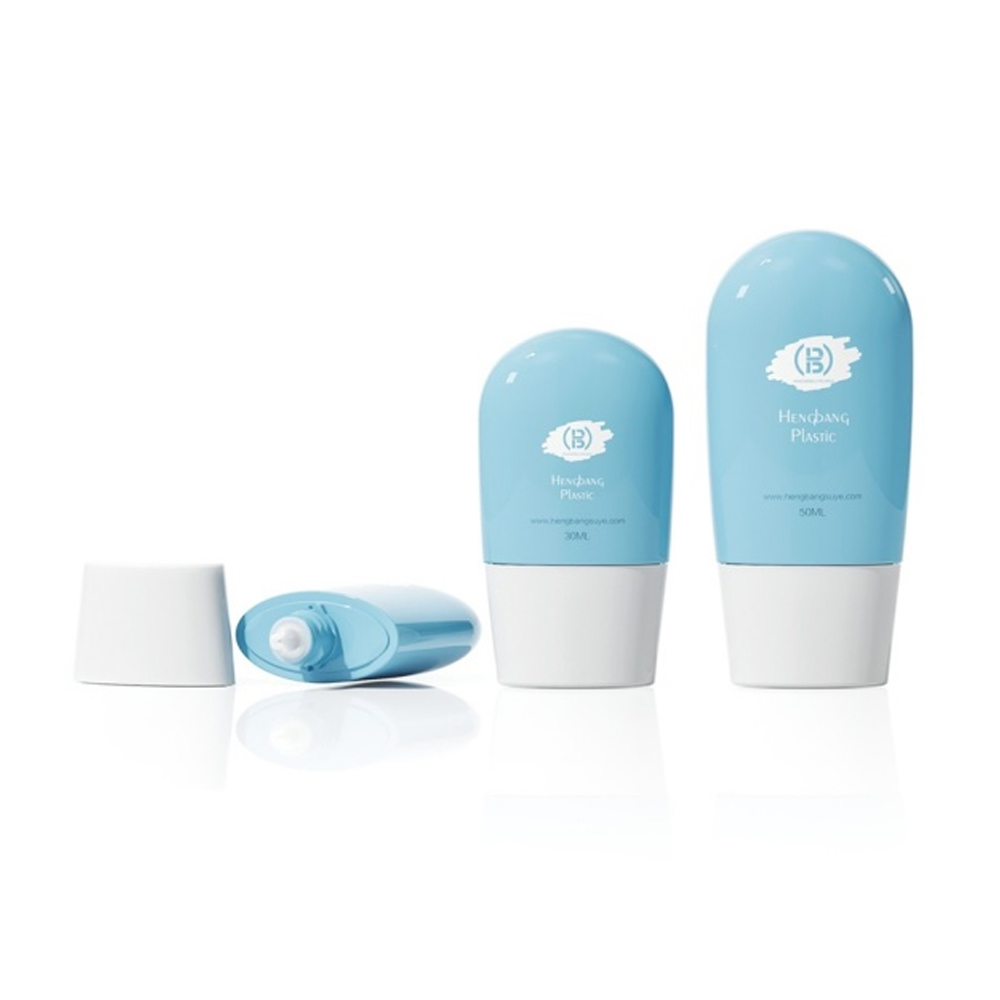
HB-F004 Plastic Blue Sunscreen Squeeze Bottle
The HB-F004 is a plastic blue sunscreen squeeze bottle developed for products that require frequent dispensing. Its category is a plastic sunscreen squeeze bottle, although its format can also be considered for lotions, creams, after-sun products, body-care treatments, liquid makeup products, and other formulations compatible with the selected packaging materials.
The standard information supplied for the product includes a 30 ml and 50 ml capacity selection. This size range is useful for several market positions. The 30 ml version can support facial sunscreen, premium travel products, trial sizes, promotional sets, and handbag-friendly packaging. The 50 ml version offers additional product volume while remaining relatively compact for routine personal use and outdoor activities.
The listed bottle height is 91.2 mm for one specification and 116.2 ml for another entry. Because height is normally measured in millimeters rather than milliliters, the second value should be confirmed with the manufacturer during technical approval. The listed diameter is 53*26.5 mm. Final dimensions, filling volume, neck details, closure specifications, and tolerance requirements should be verified against the approved production drawing before mass production.
| Product Attribute | Available Information |
|---|---|
| Product name | HB-F004 Plastic Blue Sunscreen Squeeze Bottle |
| Product category | Plastic sunscreen squeeze bottle |
| Primary application | Sunscreen and related skincare products |
| Capacity options | 30 ml and 50 ml |
| Listed material | PP+SUYLYN+adhesive+PE |
| Appearance | Blue, generally opaque or light-blocking in appearance |
| Dispensing format | Squeeze bottle |
| Listed height | 91.2 mm; an additional supplied entry states 116.2 ml and should be technically confirmed |
| Listed diameter information | 53*26.5 mm |
The design is especially relevant to sunscreen products because many sun-care formulas contain ingredients that may be affected by light, air, heat, or repeated handling. The blue and opaque appearance can help reduce direct light exposure compared with transparent packaging, although the precise level of protection depends on the final material structure, colorant system, wall thickness, and formulation requirements.
Sunscreen is commonly applied several times during the day, particularly during outdoor activities, travel, sports, beach visits, and extended exposure to sunlight. A package used in these situations must be easy to open, easy to hold, and easy to dispense. The squeeze bottle format addresses these requirements through a simple mechanical action: the user applies pressure to the flexible body, and the product is pushed toward the dispensing opening.
Compared with a rigid bottle that requires tilting and shaking, a squeeze bottle can offer greater control over the amount released. This is valuable for sunscreen because consumers often need to apply a measured quantity to the face, neck, arms, legs, or other exposed areas. Controlled dispensing may also help reduce unnecessary product waste and keep the application process clean.
A squeeze bottle can also be more convenient than a jar for products used outdoors. With a jar, the user must remove a wide lid and place fingers or a tool into the product. This increases the possibility of contact with the contents and may create a less convenient experience when the user is away from home. A closed squeeze bottle keeps the product enclosed between applications and offers a narrower dispensing route.
Compared with some pump bottles, the squeeze format can be more compact and mechanically simple. A pump package includes additional components, including a pump actuator, dip tube, spring or internal mechanism, and protective cap or locking system. These parts can provide excellent functionality in many applications, but they may increase package height, component count, and assembly complexity. The HB-F004 format provides a streamlined alternative for brands that prioritize portability and direct consumer handling.
The bottle body is described as softer in texture than a rigid container, allowing the user to compress it with moderate pressure. The level of softness can be adjusted through material selection, wall design, shape, and manufacturing conditions. A well-balanced squeeze response should be firm enough to protect the product during handling while remaining flexible enough for convenient dispensing.
Polypropylene, commonly known as PP, is widely used in cosmetic and personal-care packaging. It is valued for its relatively low density, chemical resistance, processing versatility, and ability to be formed into a range of shapes. The supplied product description identifies PP as the principal bottle-body material and notes that PP is associated with recycling symbol number five.
The listed structure is PP+SUYLYN+adhesive+PE. This description indicates a combination of polymer and bonding layers, but the exact meaning of “SUYLYN” and the layer arrangement should be confirmed in the product specification. Packaging buyers should request a complete material declaration, layer diagram, technical data sheet, and compatibility statement before approving a final package for a particular sunscreen formula.
Material selection is important because sunscreen formulations can vary significantly. They may contain oils, silicones, emollients, alcohols, botanical extracts, mineral filters, organic filters, fragrances, preservatives, and other ingredients. A container that performs well with one formula may require additional testing with another. Compatibility testing should therefore evaluate the complete package, including the bottle body, adhesive or barrier layer, closure, dispensing orifice, decoration, and any internal components.
Potential compatibility evaluations may include filled-package storage at room temperature, elevated temperature, low temperature, freeze-thaw cycling where relevant, ultraviolet exposure, transport simulation, and repeated dispensing. Test observations can include leakage, swelling, deformation, stress cracking, color changes, odor transfer, loss of flexibility, separation between layers, changes in dispensing performance, and changes in the formula itself.
The blue or opaque appearance is another relevant design feature. Sunscreen ingredients can be sensitive to light, and an opaque package may help reduce exposure compared with a clear container. However, color alone should not be treated as a complete barrier specification. Brands should evaluate actual light transmission through the finished bottle and confirm that the packaging meets the protection needs of the formula.
Using PP in a squeeze format may also support a lightweight package concept. Lower package weight can contribute to efficient logistics and a reduced material burden compared with some heavier rigid formats. Actual environmental performance depends on the complete design, manufacturing process, transportation distance, decoration system, filling efficiency, consumer use, and available recycling infrastructure.
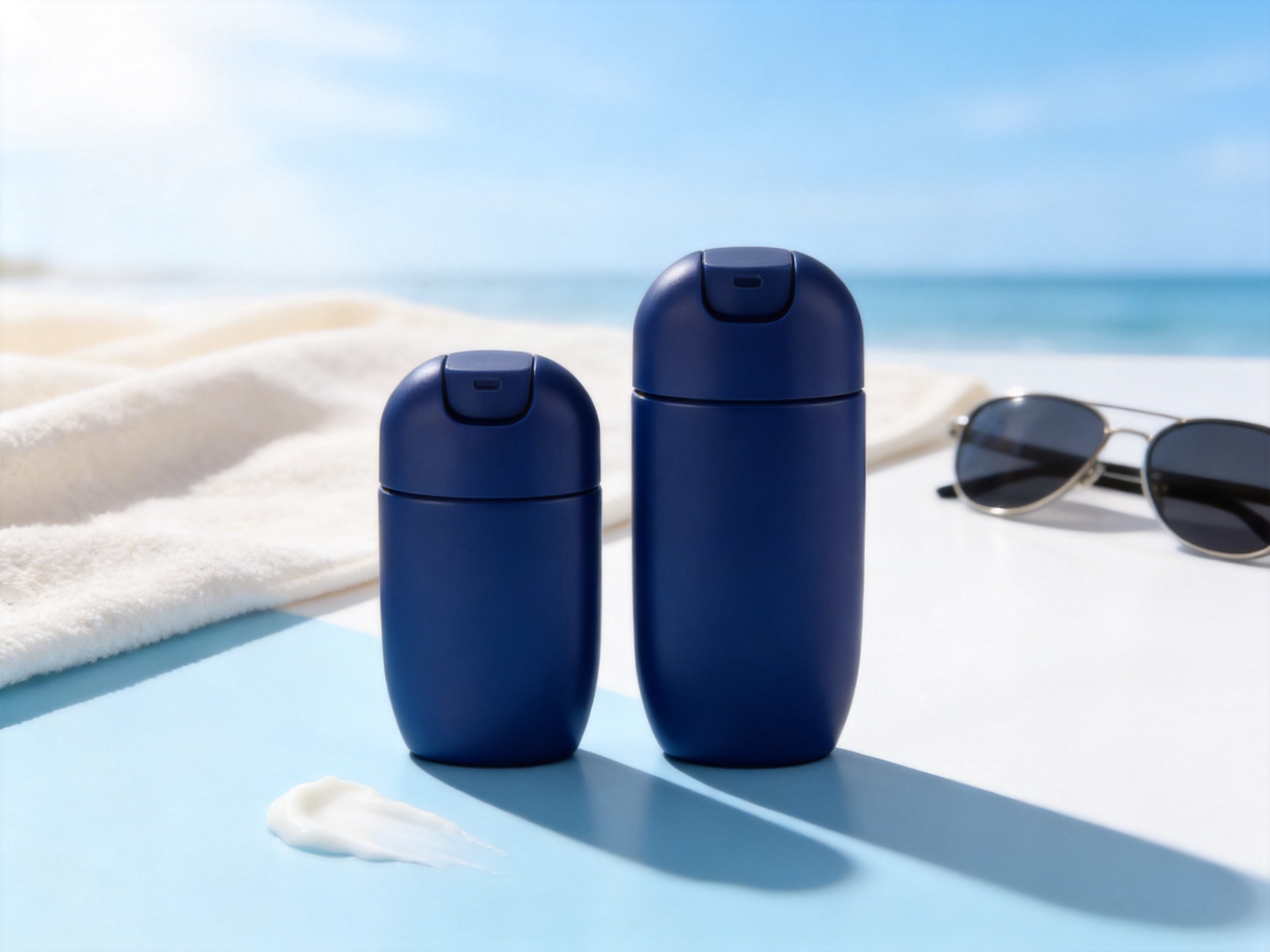
Rigid bottles often require users to turn the package upside down or shake it to move the product toward the opening. This may be acceptable for thin lotions, but it can become less convenient when a sunscreen is thick or when only a small amount is needed. The flexible body of the HB-F004 bottle helps the user actively move the product toward the dispensing area by applying pressure.
The compact body can also be held in one hand while the other hand applies the product. This is helpful when consumers are outdoors, traveling, or applying sunscreen without access to a table or other stable surface. The format supports a direct connection between squeezing force and product output, subject to the viscosity of the formula and the final closure design.
Jars are popular for creams because they offer a wide opening and are compatible with thick products. Nevertheless, they expose the product to repeated finger contact and require a separate lid-removal step every time the product is used. For a sunscreen intended for frequent outdoor application, a squeeze bottle can provide a cleaner and more portable alternative.
The narrow dispensing route helps limit the exposed surface area of the product. A suitable closure can further protect the opening from dust, accidental contact, and leakage. The final hygiene performance depends on the product viscosity, dispensing opening, cap design, filling conditions, consumer behavior, and storage environment.
Pump bottles can offer precise dispensing, premium positioning, and convenient one-handed use. However, they also contain more components and can require careful coordination among the bottle, pump, dip tube, actuator, spring, cap, and crimping or assembly process. The squeeze bottle offers a simpler packaging architecture that may be advantageous when a brand wants to reduce component count or maintain a compact profile.
A simpler system may also support easier visual customization. The bottle body can be developed with a selected color, surface finish, label, printing scheme, or other decoration approach. Brands can use these options to create a recognizable sunscreen identity without relying exclusively on a complex closure system.
Sun-care products are often carried in luggage, beach bags, backpacks, sports bags, and cosmetic pouches. A 30 ml or 50 ml bottle can provide a practical balance between product quantity and portability. The compact dimensions may help the package fit into small storage spaces, while the squeeze design can be convenient when the consumer is applying sunscreen away from home.
Travel suitability still requires complete package testing. A bottle intended for travel should be checked for cap security, leakage resistance, drop performance, pressure changes where applicable, and durability during handling. The bottle body, closure, and dispensing opening must function as a system rather than as independent components.
The blue color of the HB-F004 bottle creates a natural association with freshness, water, outdoor activity, and protection. Blue is widely used in sun-care packaging because it can communicate a clean, cooling, and reliable visual message. An opaque or semi-opaque blue body can also help distinguish the product from clear or white competitors on a retail shelf.
The bottle may be suitable for a range of visual identities. A minimalist design could use white or silver typography on blue to communicate a clean dermatological position. A sports sunscreen could use stronger contrast, bold lettering, and energetic graphics. A family product could use friendly illustrations and clear usage information. A premium facial sunscreen could combine a refined blue tone with restrained decoration and a soft-touch finish.
Decoration options should be selected according to the product’s sales channel and target positioning. Labels can support variable information and relatively straightforward design changes. Direct printing can create a more integrated appearance but requires close control of ink adhesion, curing, color consistency, and surface preparation. Hot stamping, metallic effects, matte coatings, and other treatments may also be considered when compatible with the bottle material and intended production volume.
The packaging should communicate practical information clearly. Important content may include product name, sun protection factor, spectrum claims, volume, directions for use, warnings, batch information, ingredients, responsible company information, and required regulatory statements. The available decoration area depends on the final bottle geometry, label size, and printing method.
A compact squeeze bottle also creates an opportunity for a strong front-of-pack hierarchy. The brand name can be placed prominently, followed by the product category, protection level, key benefit, and net content. Because consumers often make quick purchasing decisions, the design should remain legible at small size and under different retail lighting conditions.
Yuyao Hengbang Plastic Co., Ltd. was established in 2006 and specializes in plastic packaging for cosmetics and skincare products. The company’s stated building area of 35,000 square meters and workforce of more than 300 employees indicate a substantial operating base for a packaging manufacturer. Its experience in cosmetic containers is relevant to brands that need coordinated support from concept development through production.
The company provides design and development services in addition to manufacturing. This can be valuable when a customer has a general packaging concept but needs assistance converting it into a manufacturable product. Development work may include form refinement, component coordination, material selection, mold planning, prototype review, decoration evaluation, and production optimization.
A professional development process typically begins with a clear product brief. For the HB-F004 bottle, the brief may define capacity, target formula, viscosity, desired squeeze force, closure type, color, decoration method, filling line requirements, transportation conditions, and target market. Early clarification of these parameters helps reduce changes later in the project.
Industrial design and engineering must work together. A bottle can appear attractive in a computer rendering but still require modifications to improve moldability, wall uniformity, demolding, stacking, filling, or performance during transportation. A manufacturer with packaging-specific experience can identify these issues before large-scale production.
The company reports ISO9001:2015 and ISO14001:2015 certifications. ISO9001:2015 is associated with quality management systems, including documented processes, controlled operations, continual improvement, and customer-focused management. ISO14001:2015 is associated with environmental management systems, including structured attention to environmental impacts, compliance obligations, resource use, and improvement planning. Certification does not replace product-specific testing, but it can provide an important framework for organized manufacturing and management.
The company was also awarded recognition as a Ningbo High-Tech Enterprise in 2021 and owns multiple invention patents. These details suggest an emphasis on technical development and innovation. For customers, technical capability can be especially important when a package requires special layering, controlled flexibility, unique appearance, customized dimensions, or integration with a particular filling and closing process.
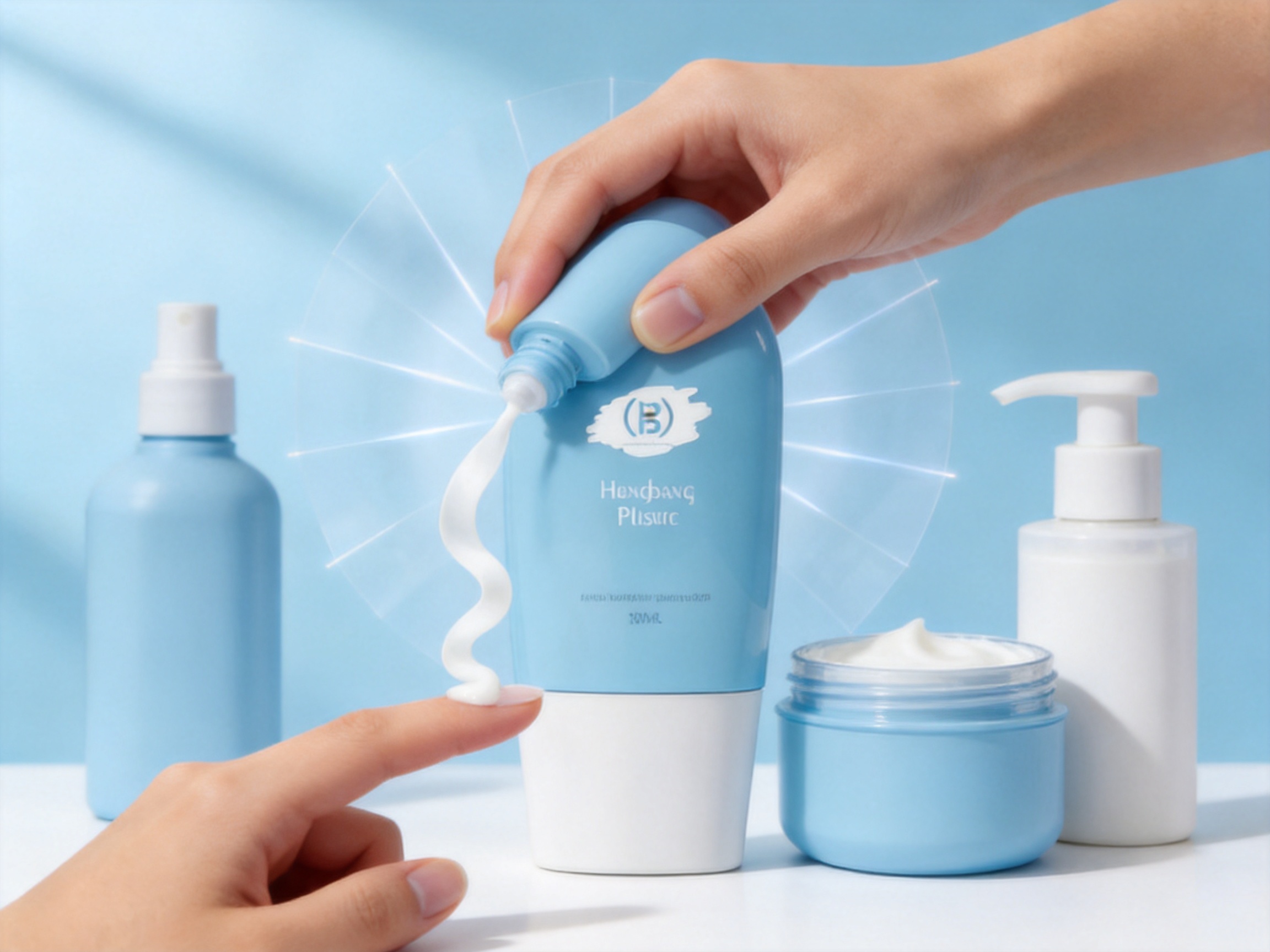
The precise production route for each HB-F004 order should be confirmed with the manufacturer, because the final process depends on the approved structure and design. Nevertheless, a modern plastic squeeze bottle project generally involves several coordinated stages: material preparation, forming, trimming or finishing, component assembly, decoration, inspection, packing, and shipment.
Material preparation begins with the verification of the selected resin and any required additives, colorants, or bonding materials. For a blue bottle, color consistency is important. A controlled color standard should be established using physical samples or an approved color reference. Production teams can then compare incoming materials and finished components against the agreed standard.
Material storage also matters. Resins, adhesives, inks, and other inputs should be stored according to their technical requirements. Moisture, temperature, contamination, and batch identification can affect processing consistency. Traceability records help connect finished products to their raw material batches and production conditions.
The bottle body must be formed with adequate dimensional stability and wall consistency. A squeeze container requires a carefully balanced structure: too rigid, and the product becomes difficult to dispense; too soft, and the package may deform during filling, transport, or storage. The material combination and forming conditions influence the tactile response.
If the product uses multiple layers or bonding materials, layer adhesion is a central quality consideration. The bonding system must remain stable under the expected temperature, humidity, handling, and formula-contact conditions. Layer separation, delamination, pinholes, or weak areas can compromise appearance and performance. These risks should be addressed through process controls and package testing.
The bottle body cannot be evaluated separately from its closure. The dispensing opening influences the amount released, flow behavior, clean break, and risk of residue. The cap must close securely and maintain its function after repeated opening and closing. The neck and closure should be matched to support reliable assembly and leak resistance.
For a sunscreen, the package should be evaluated with the actual formula or a representative test substance. A high-viscosity cream may need a larger opening than a fluid lotion. A formula with suspended particles may present different flow characteristics from a smooth emulsion. The final dispensing experience should be tested using realistic consumer actions rather than relying only on dimensional inspection.
Decoration requires attention to the surface energy and texture of the selected plastic. Printing inks, labels, coatings, and adhesives must adhere well enough to withstand normal handling, rubbing, moisture, sunscreen residue, and temperature variation. Sample testing can evaluate scuff resistance, color stability, adhesion, and legibility after simulated use.
Surface treatment may be considered when required by the decoration process. The correct treatment level should be controlled to avoid inconsistent adhesion or unwanted appearance changes. A manufacturer with experience in cosmetic packaging can coordinate the bottle material, decoration method, and inspection criteria as part of one development process.
Finished bottles can be inspected for dimensions, color, surface defects, flash, deformation, contamination, closure fit, and general appearance. Depending on the customer’s quality agreement, inspections may also include leak testing, torque or opening-force checks, squeeze-response checks, drop testing, and sampling according to an agreed inspection standard.
Packaging for shipment should protect the components from dust, crushing, abrasion, and excessive movement. The packing method should be compatible with the customer’s filling operation. Clean, organized, and consistently oriented components can help improve the efficiency of downstream assembly and filling.
Quality in cosmetic packaging is multidimensional. It includes visual quality, dimensional accuracy, material consistency, functional performance, compatibility, cleanliness, and delivery reliability. A bottle may look attractive but fail if it leaks, collapses too easily, cannot be filled efficiently, or reacts negatively with the formula.
A robust quality program begins with defined specifications. The specification should identify the approved drawing, dimensions, material structure, color standard, weight range, capacity, closure requirements, decoration details, and acceptable defect limits. Any special requirements should be documented before production begins.
Incoming material control helps reduce variation at the beginning of the process. In-process inspection can then monitor forming conditions, dimensions, color, wall appearance, and assembly. Final inspection verifies whether finished goods meet the agreed requirements before shipment.
For sunscreen packaging, functional testing may include leak resistance under different orientations, repeated opening and closing, squeeze cycling, drop simulation, temperature exposure, and filled-package storage. The exact test plan should be based on the formula, distribution route, consumer environment, and regulatory expectations.
Packaging performance can also be influenced by the filling line. The bottle should be tested with the intended equipment where possible. Filling speed, product temperature, nozzle design, capping force, and conveyor handling may all affect the finished package. Early filling-line trials can identify issues such as bottle instability, cap misalignment, product stringing, or insufficient sealing.
The supplied product information identifies PP as a recyclable plastic associated with recycling symbol number five. This can support a packaging discussion about material identification and responsible design. However, recyclability is not determined only by the symbol. Local collection systems, material combinations, adhesives, pigments, labels, closures, and sorting technology all influence whether a package can be effectively recovered.
Brands seeking a more responsible package should assess the entire life cycle. Relevant questions include how much material is used, whether the package protects the product sufficiently to reduce product waste, whether components can be separated, whether decoration interferes with sorting, and what end-of-life options exist in the target market.
A lightweight squeeze bottle may reduce material use compared with some heavier packaging formats, but lightweighting must not undermine performance. A package that fails during transport or cannot fully dispense the product may create more waste than a slightly heavier but more durable alternative. The correct objective is an appropriate balance between resource efficiency and reliable product protection.
Material declarations and environmental claims should be accurate and supported by appropriate documentation. If a brand intends to make claims about recyclability, recycled content, reduced material use, or environmental impact, those claims should be reviewed against applicable market requirements and evidence.
Although the HB-F004 bottle is presented as a sunscreen package, its squeeze format may be adaptable to other products after compatibility and performance evaluation. Potential applications include facial lotions, body lotions, after-sun care, hand creams, foot creams, cleansing products, cosmetic primers, moisturizing treatments, and selected hair-care products.
The 30 ml size may suit concentrated or premium products, sample programs, travel kits, hotel amenities, gift sets, and seasonal campaigns. The 50 ml size may be suitable for standard personal-care products intended for repeated use. Capacity selection should be based on the product’s recommended usage, expected consumption period, retail positioning, and local labeling rules.
The format may also support product collections. A skincare brand could use the same bottle shape for sunscreen, after-sun lotion, daily moisturizer, and protective hand cream while differentiating each product through color, decoration, and closure details. A common packaging platform can simplify brand recognition and potentially streamline procurement, subject to minimum order quantities and production planning.
For brands, the HB-F004 bottle offers a combination of practical format and visual differentiation. The blue color immediately establishes a recognizable sun-care identity, while the squeeze body communicates ease of use. The 30 ml and 50 ml options provide flexibility for different channels and product tiers.
For distributors and private-label customers, an established bottle concept can shorten the path from product idea to market sample. Instead of developing every component from the beginning, the customer can evaluate the existing shape, request technical adjustments, select decoration, and focus development efforts on formula compatibility and market positioning.
The manufacturer’s design and development services may also support customers that do not have extensive in-house packaging engineering resources. A coordinated supplier can help address questions related to materials, mold feasibility, decoration, filling, assembly, and quality inspection.
Manufacturing scale is another consideration. A company with a substantial facility and more than 300 employees may be better positioned to coordinate purchasing, production, inspection, packing, and customer communication than a very small workshop. Buyers should still confirm production capacity, lead times, quality agreements, sample approval procedures, and order-specific requirements.
The project should begin with the formula profile. The customer should provide information about viscosity, oil content, solvents, fragrances, active ingredients, preservatives, pH where relevant, filling temperature, and expected shelf life. The intended use environment should also be defined, including indoor use, beach use, sports use, travel, or professional application.
The next stage should confirm capacity, dimensions, material structure, closure, dispensing opening, color, decoration, and tolerances. The supplied height information includes an apparent unit inconsistency, so this should be resolved before drawings and molds are finalized. A complete technical specification prevents misunderstandings between the customer and manufacturer.
Samples should be evaluated for appearance, tactile response, dispensing performance, closure fit, portability, and compatibility with the brand’s visual identity. If the sample is undecorated, the customer should also review decoration proofs or decorated samples. The approved sample should become the reference for production.
Filled-package testing should be conducted using the intended formula. The test program should include storage conditions and handling simulations relevant to the target market. Any change in formula, material, colorant, adhesive, closure, or decoration should trigger a review of whether additional testing is necessary.
The package should be trialed on the intended filling and capping equipment. This confirms that the bottle can be handled efficiently and that the finished unit meets appearance and sealing requirements. Packing trials can also identify the best arrangement for safe transport and efficient warehouse handling.
Mass production should proceed only after the technical drawing, sample, color, decoration, testing results, inspection standard, packaging method, and commercial terms have been approved. Clear records support consistency across repeat orders and future product variations.
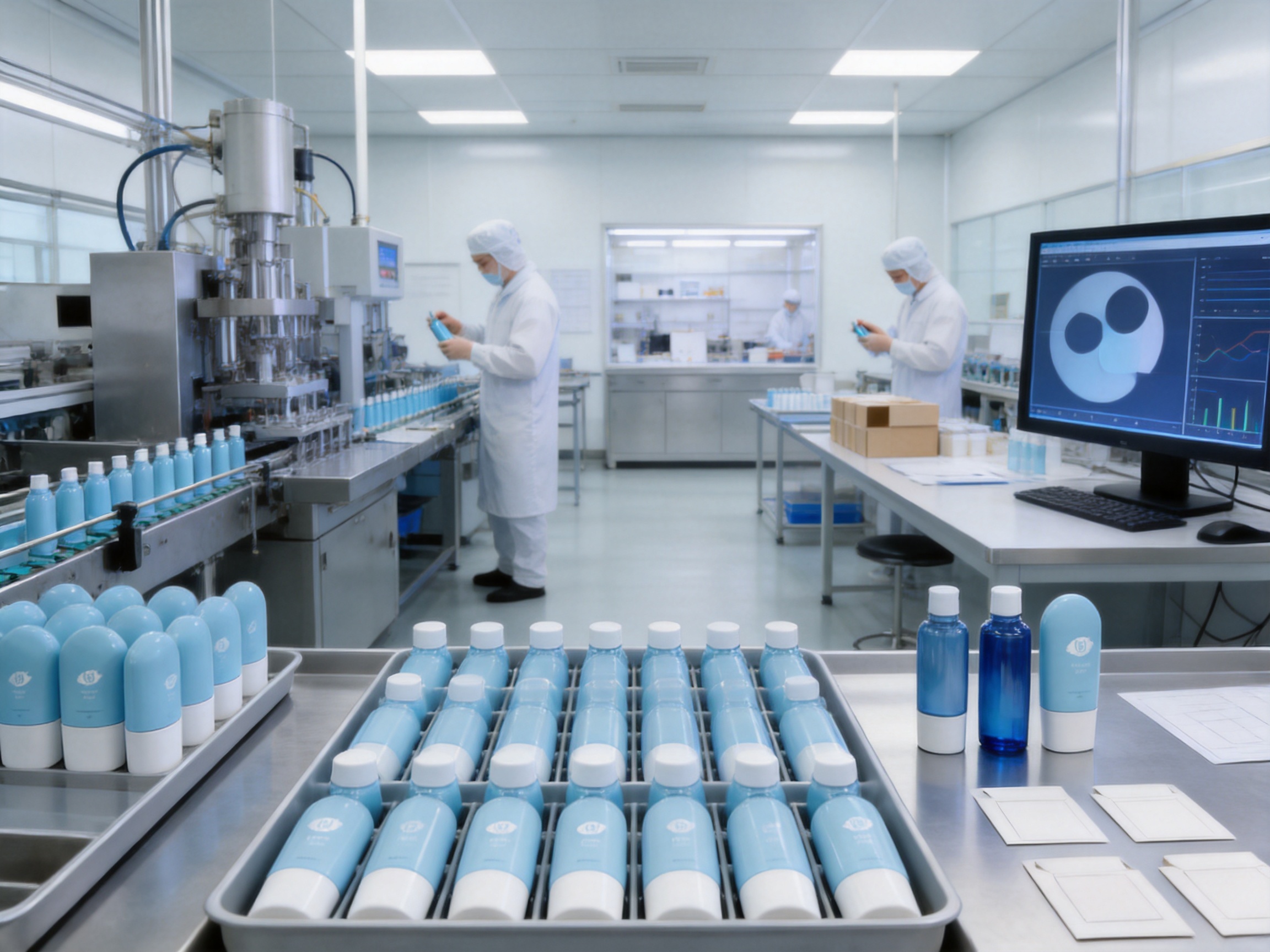
The HB-F004 is designed primarily for sunscreen and other skincare products that benefit from a compact squeeze package. Its final suitability depends on formula compatibility, dispensing performance, and the approved closure configuration.
The supplied information lists 30 ml and 50 ml options. These sizes can support travel products, facial sunscreen, promotional packaging, and standard personal-use products.
Blue provides a recognizable sun-care appearance and can help create an opaque or light-reducing package. The actual level of light protection should be confirmed through testing of the finished container.
The supplied material description is PP+SUYLYN+adhesive+PE. The exact layer structure and technical meaning of each term should be confirmed with the manufacturer through a material declaration and product specification.
PP is commonly identified by recycling symbol number five. Actual recycling depends on local collection and processing systems, as well as the complete package design, including layers, adhesives, labels, closures, and decoration.
A squeeze bottle generally has a simpler component structure and can be more compact. A pump may provide a different dispensing experience and can be preferable for some formulas. The best choice depends on viscosity, dosage expectations, positioning, filling equipment, and consumer preferences.
The squeeze bottle can provide more enclosed dispensing and reduce direct contact with the product compared with a wide-mouth jar. A jar may still be preferable for very thick creams or products that require a broad opening.
Customization may include color, decoration, labeling, printing, surface finish, capacity, and potentially component details. The available options should be confirmed based on order volume, tooling, material requirements, and production feasibility.
Brands should evaluate formula compatibility, leakage, dispensing, squeeze response, closure security, drop performance, temperature exposure, decoration adhesion, color stability, and filling-line performance. The testing plan should reflect the product and distribution conditions.
The supplied information lists 91.2 mm and also includes 116.2 ml in a height field. Since milliliters measure volume rather than height, the second value should be checked with the manufacturer before final technical approval.
The supplier reports operation since 2006, a building area of 35,000 square meters, more than 300 employees, design and development services, ISO9001:2015 and ISO14001:2015 certifications, Ningbo High-Tech Enterprise recognition in 2021, and multiple invention patents.
It may be considered for lotions, after-sun products, creams, moisturizers, primers, and related personal-care products. Each application requires product-specific compatibility and performance testing.
The HB-F004 Plastic Blue Sunscreen Squeeze Bottle combines a practical dispensing format with a distinctive blue appearance and compact capacity options. Its flexible body is suited to frequent use, while the opaque or light-reducing appearance can support the protection needs of light-sensitive sun-care formulas. Compared with rigid bottles, jars, and more mechanically complex pump systems, the squeeze format offers a balanced combination of portability, simplicity, and user control.
The product’s commercial value is strengthened by the manufacturing background of Yuyao Hengbang Plastic Co., Ltd. The company’s experience in cosmetic and skincare packaging, design and development services, reported quality and environmental management certifications, technical recognition, invention patents, and substantial operating resources provide a foundation for customized packaging projects.
Successful adoption should be based on technical verification rather than appearance alone. Brands should confirm the material structure, resolve the supplied dimensional inconsistency, test the bottle with the actual sunscreen formula, validate closure and dispensing performance, and approve decoration and filling-line compatibility. When these steps are completed carefully, the HB-F004 bottle can serve as an effective packaging platform for sunscreen and related skincare products in travel, retail, professional, and everyday-use markets.
1. Yuyao Hengbang Plastic Co., Ltd. Product information for HB-F004 Plastic Blue Sunscreen Squeeze Bottle.
2. Yuyao Hengbang Plastic Co., Ltd. Corporate information regarding company history, facilities, personnel, certifications, services, and technical recognition.
3. ISO 9001:2015. Quality Management Systems: Requirements.
4. ISO 14001:2015. Environmental Management Systems: Requirements with Guidance for Use.
5. General technical guidance for plastic packaging compatibility testing in cosmetic and personal-care applications.
6. General principles of packaging design, dispensing evaluation, transport testing, and quality inspection for cosmetic containers.


Copyright © Yuyao Hengbang Plastic Co., Ltd.
All Rights Reserved.
 Wholesale Plastic Cosmetic Packaging Manufacturers